Knowledge
Custom Perfume OEM: Bottle Design, Packaging & Branding Options
Writer:admin Time:2023-06-02 18:18 Browse:views
Launching a custom perfume involves much more than choosing a scent. For a product to succeed in the marketplace, its bottle design, packaging, and branding must reflect the story you want to tell, align with consumer expectations, and differentiate you from competitors. In OEM perfume production, these elements are as important as the fragrance itself: they influence perception, pricing, retail placement, and ultimately sales performance.
This guide walks you step by step through how custom perfume bottle design and packaging work in OEM contexts, what options you have at every level, and how to make strategic decisions that deliver both aesthetic appeal and commercial viability. The discussion is framed around practical principles and real design considerations, so you can confidently manage this critical part of your perfume project.
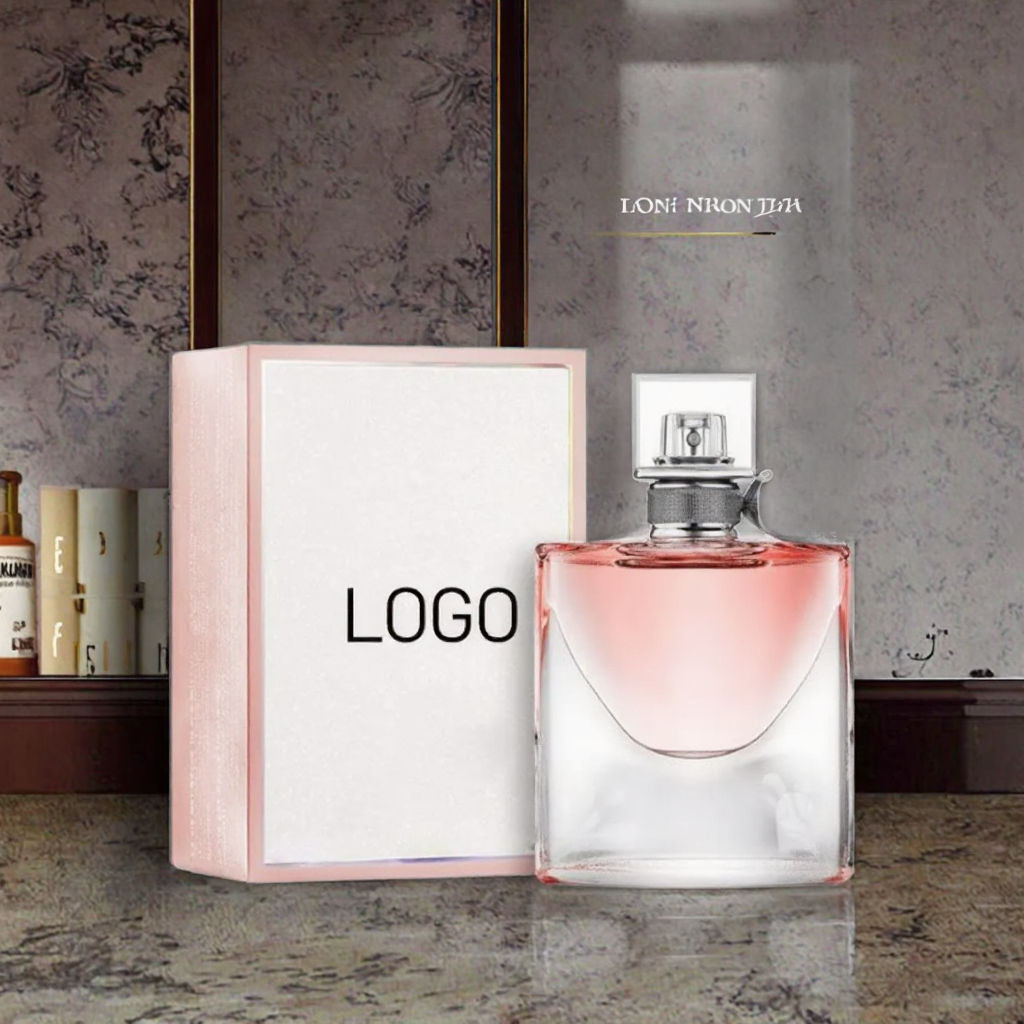
1. Why Bottle Design and Packaging Matter in Custom Perfume OEM
A perfume bottle is more than a container — it’s the first interaction a customer has with your scent. In many categories, packaging can account for up to 50% of purchase decision influence. A compelling bottle communicates:
Brand identity
Quality and positioning (luxury vs everyday)
Emotional tone (romantic, bold, minimalist)
Target audience preferences
Good design enhances perceived value, supports pricing strategy, and reinforces the message in your marketing.
Table 1: Roles of Bottle Design & Packaging in Brand Success
| Role | How It Impacts the Product |
|---|---|
| First Impression | Shapes how customers perceive the scent before smelling |
| Brand Identity | Reinforces your story and vision |
| Differentiation | Helps stand out on crowded shelves |
| Protection | Safeguards the product during shipping and display |
| Regulatory Compliance | Includes labeling, safety, and legal info |
In OEM perfume production, bottle design and packaging become collaborative efforts between you, the manufacturer, and designers. Many companies use industry resources like https://www.perfume-manufacturer.com/ to evaluate partners and understand the range of design capabilities available.
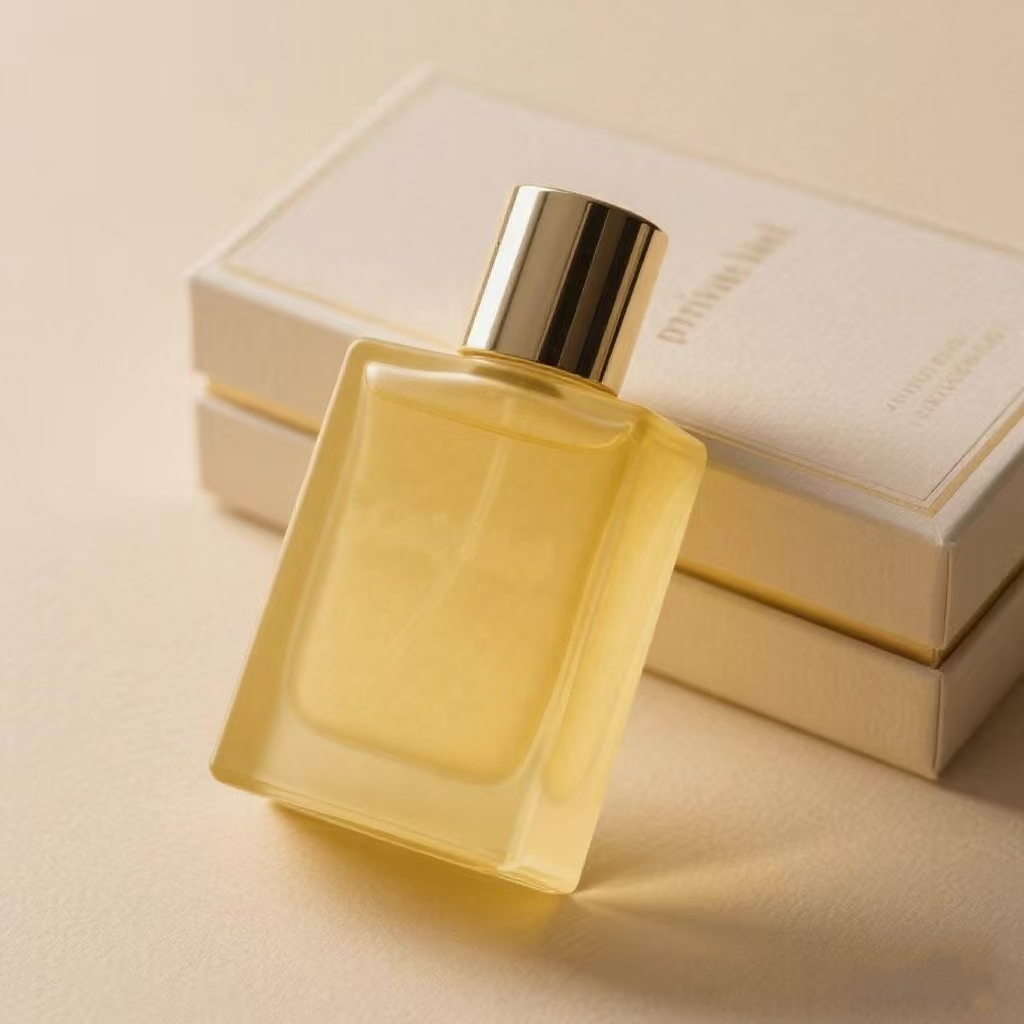
2. Elements of Bottle Design
A perfume bottle is a blend of form, function, and narrative. Good bottle design considers ergonomic, aesthetic, structural, and brand storytelling aspects.
2.1 Shape and Silhouette
The silhouette sets the tone:
Classic curves suggest elegance
Geometric lines communicate modernity
Organic forms evoke nature or artisanal craft
Shape influences how the bottle feels in the hand and how it looks on the shelf.
2.2 Materials and Weight
Materials influence both perception and cost:
| Material | Perceived Quality | Typical Use |
|---|---|---|
| Glass (Heavy) | Premium | Luxury lines |
| Glass (Light) | Mid‑range | Everyday fragrances |
| Acrylic | Contemporary & Durable | Trendy, shatter‑resistant |
| Metal Accents | High | Caps & decorative elements |
Glass remains the most popular choice due to clarity and feel, but acrylic and hybrid materials offer functional advantages in durability and cost.
2.3 Closure and Atomizer
The closure affects user experience:
Spray atomizers are standard for modern use
Roll‑ons for oil‑based perfumes
Decorative caps reinforce brand character
A loose or cheap cap can dilute perceived value, so investing in quality closers is important.
3. Packaging Materials and Structures
Packaging isn’t only about appearance — it also protects the product and conveys brand values. Packaging decisions involve materials, printing methods, and structural design.
3.1 Primary Packaging
Primary packaging is what directly holds the perfume:
Bottles
Atomizers
Droppers (for oil perfumes)
Innovative primary packaging can highlight uniqueness, such as carved glass or engraved metal.
3.2 Secondary Packaging
Secondary packaging surrounds the bottle:
Printed boxes
Sleeves
Inner molded supports (foam, cardboard, recycled pulp)
Secondary packaging must balance protection with unboxing appeal.
Table 2: Common Secondary Packaging Options
| Option | Function | Typical Use |
|---|---|---|
| Printed Folding Carton | Branding & info | Standard retail |
| Magnetic Closure Box | Luxury experience | Premium scents |
| Sleeve Wrap | Added protection | Seasonal/limited editions |
| Windowed Box | Showcases bottle | Retail displays |
High‑end brands often use magnetic closure boxes, embossed typography, or specialty finishes to elevate consumer perception.
4. Printing and Decorative Techniques
Beyond structural choices, the visual texture and finish matter. Advanced printing and decorative techniques make packaging memorable.
4.1 Printing Methods
Offset Printing: Precise color and detail
Digital Printing: Small runs, variable designs
Screen Printing: High opacity on glass or metal
4.2 Finishes
Special finishes add tangible quality:
| Finish | Effect |
|---|---|
| Foil Stamping | Metallic accents for luxury |
| Embossing / Debossing | Raised texture, tactile appeal |
| Matte Lamination | Soft touch finish |
| Spot UV | Gloss highlights |
Selecting the right combination aligns with both budget and brand positioning.
5. Labeling and Regulatory Requirements
Bottle design must account for labeling regulations in target markets. This includes:
Brand name
Fragrance name
Volume (e.g., 50 ml / 1.7 fl oz)
Ingredient lists (INCI for cosmetics)
Manufacturer/distributor info
Safety statements
Different regions have different requirements (EU, US, Asia), so work with your OEM partner early to ensure compliance.
Table 3: Key Labeling Elements for Perfume Products
| Label Element | Purpose | Mandatory? |
|---|---|---|
| Brand Name | Identification | Yes |
| Fragrance Name | Marketing | Yes |
| Volume/Weight | Legal | Yes |
| Ingredient List | Safety info | Depends on region |
| Barcodes/Batch Codes | Traceability | Yes |
| Warnings/Cautions | Safety | Region dependent |
OEM perfume manufacturers with strong compliance teams help translate these requirements into label designs that meet regulations without sacrificing aesthetics.
6. Branding Options and Strategies
Branding isn’t just a logo — it’s an experience. In custom perfume OEM projects, branding includes:
Brand story
Typography and color palette
Packaging theme
Signature design elements
The fragrance industry often relies on sensory branding, where visuals and scent reinforce each other. A floral, soft scent might use pastel tones and flowing fonts; a bold, spicy scent might use dark, rich colors and strong geometric elements.
6.1 Storytelling Through Packaging
Consumers resonate with stories — about inspiration, origin, craftsmanship, or emotion. Packaging provides a canvas for that narrative through:
Taglines
Imagery
Symbolism
Textures
A consistent story across label, box, and marketing materials strengthens brand recall.
7. Sustainability in Bottle and Packaging Design
Sustainability isn’t a trend — it’s expected by many consumers today. Sustainable design can influence raw material choices and packaging construction.
7.1 Eco‑friendly Materials
| Material | Sustainability Feature |
|---|---|
| Recycled Glass | Reduces raw resource extraction |
| FSC‑Certified Paper | Ensures responsible forestry |
| Biodegradable Inks | Minimizes environmental impact |
| Refillable Bottles | Encourages reuse |
Some brands incorporate refillable systems, reducing waste and creating long‑term customer engagement.
7.2 Balancing Sustainability and Luxury
Luxury doesn’t have to conflict with sustainability. Thoughtful design uses recycled materials without diminishing perceived quality. Matte textures, minimalistic design, and thoughtful unboxing experiences can feel premium and eco‑conscious simultaneously.
8. Cost Considerations and Budgeting
Packaging and bottle design significantly influence your overall cost. Design choices should be tied to business strategy and pricing tier.
Table 4: Packaging Cost Factors
| Factor | Cost Impact Level |
|---|---|
| Custom Molded Bottle | High |
| Standard Bottle with Label | Low–Medium |
| Special Finishes (Foil, Emboss) | Medium–High |
| Luxury Secondary Pack | High |
| Sustainable Materials | Variable |
Understanding how design choices scale with cost helps you make informed decisions. For example, a custom‑molded bottle creates a unique identity but increases upfront tooling expenses.
9. Production Workflow and Timeline
Bottle design and packaging steps are part of the larger OEM production timeline.
Table 5: Typical Bottle Design & Packaging Timeline
| Phase | Duration | Key Activities |
|---|---|---|
| Concept & Brief | 1–2 weeks | Define brand identity |
| Design Development | 3–6 weeks | Bottle, label, box design |
| Prototyping | 2–4 weeks | Sample bottle and packaging |
| Feedback & Revision | 2–3 weeks | Adjustments |
| Pre‑Production Approval | 1 week | Final sign‑off |
| Production & QC | 3–8 weeks | Manufacturing & inspection |
Coordination between design and production teams — yours and your OEM partner’s — ensures timelines are realistic without sacrificing quality.
10. Case Studies: Packaging for Different Brand Identities
Case A: Luxury Niche Perfume
Bottle: Heavy glass with metal cap
Finish: Foil stamping with embossing
Box: Magnetic closure with velvet insert
Branding: Elegant serif typography, minimalist palette
Result: High shelf impact, luxury perception justified premium price.
Case B: Millennial Lifestyle Fragrance
Bottle: Sleek, light glass with colorful accents
Finish: Digital printed graphics
Box: FSC‑certified paper with clear window
Branding: Vibrant typography, playful messaging
Result: Appealing to younger demographic and social media presentation.
11. Choosing the Right OEM Partner for Design and Branding
Not all manufacturers offer the same level of design support. When selecting an OEM partner:
Ask about their in‑house design capabilities
Review past packaging portfolios
Confirm capability for custom molds and printing
Discuss regulatory & sustainability support
Evaluate how they handle prototyping and revisions
Platforms like https://www.perfume-manufacturer.com/ can help you compare manufacturers and identify those with strong design and packaging capabilities.
12. Final Thoughts: Packaging as Strategic Investment
Custom perfume bottle design and packaging aren’t extras — they are core strategic elements. Effective design elevates your brand, communicates value, and enhances customer experience. When aligned with scent, story, positioning, and marketing, excellent packaging transforms a product into an iconic fragrance.
Successful OEM projects treat packaging and branding as integrated disciplines, not add‑ons. Early collaboration among designers, marketers, and manufacturing partners creates cohesion and reduces rework.
If you’re ready to refine your perfume’s visual identity or explore packaging ideas tailored to your brand, I’m happy to help with design strategies, mood boards, or technical briefs!
Related Article
CATEGORIES
CONTACT US
Whatsapp: +8618998453346
Phone: +8618998453346
Tel: +8618998453346
Email: [email protected]
Addr: Baiyun District, Guangzhou, Guangdong Province, China
Hot Goods
 <
<
 <
<
 <
<
 <
<
 <
<
 <
<
 <
<
 <
<
 <
<
 <
<