Knowledge
How Perfume Notes Are Designed in OEM Fragrance Development
Writer:admin Time:2025-05-30 01:02 Browse:views
Creating a compelling perfume is as much art as science. In OEM (Original Equipment Manufacturer) fragrance development, one of the core skills is designing perfume notes—the individual scent components that, when combined, create a memorable and harmonious fragrance. Whether you are launching your own brand or working with an OEM partner to develop a signature scent, understanding how perfume notes are designed gives you insight into the creative and technical processes that shape every bottle.
In this in‑depth guide, we’ll walk through the entire perfume note design process—from initial concept to finished formulation. We’ll cover how raw materials are selected, how scent pyramids are constructed, how perfumers balance complexity and stability, and how market and regulatory considerations influence design decisions. To help you absorb each step clearly, we’ve included five detailed tables that visualize key concepts used in OEM fragrance development.
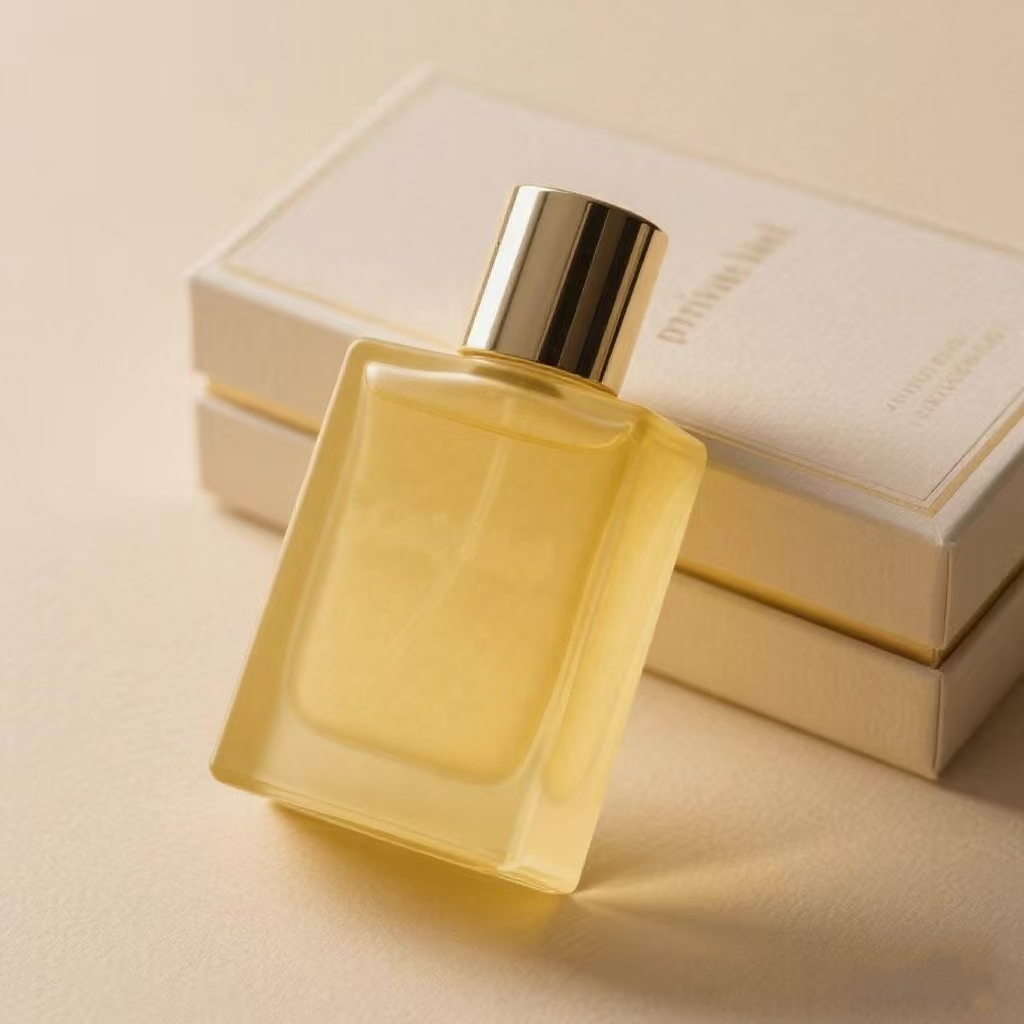
1. What Are Perfume Notes?
A perfume’s character is defined by its notes. These are individual scent elements that unfold over time when a perfume is applied. Perfumers organize notes in layers that reflect how the scent evolves—from the moment it is sprayed to hours after.
Perfume notes are typically described in three tiers:
Top Notes: The initial impression; often light and volatile
Heart (Middle) Notes: The “body” of the fragrance; emerge once top notes fade
Base Notes: Long‑lasting foundation; provides depth and richness
These are often visualized as a fragrance pyramid—a useful tool in both design and communication.
Table 1: The Fragrance Pyramid Explained
| Layer | Description | Typical Characteristics |
|---|---|---|
| Top Notes | First impressions | Light, fresh, volatile; fade quickly |
| Heart Notes | Core scent | Well‑rounded, characterful; lasts longer |
| Base Notes | Foundation | Rich, deep, longest lasting; adds longevity |
In OEM fragrance development, this pyramid guides the balancing act: how strong each note should be, how they interact, and how the overall scent evolves.
2. Concept & Brief: The Starting Point
Designing perfume notes begins with a clear concept. Before selecting ingredients, perfumers work with brand owners to define the fragrance brief—a document outlining the desired scent identity, market positioning, target audience, and inspiration sources.
A typical fragrance brief covers:
Target demographic (e.g., men, women, unisex, age group)
Mood or theme (e.g., romantic, fresh, energetic)
Intended occasions (daily wear, evening, luxury)
Competitive examples
Budget and ingredient constraints
Creating a precise brief ensures that both brand and OEM partner align on expectations before raw materials are considered. Many OEM partners maintain databases of successful briefs and client references; a resource like https://www.perfume-manufacturer.com/ can help brands explore manufacturer capabilities and best practices.
3. Raw Materials & Ingredient Selection
Once the fragrance direction is clear, the next step is choosing raw materials. These include both natural extracts and synthetic aroma chemicals. Each ingredient has its own scent character, volatility, and interaction profile.
Major Categories of Fragrance Ingredients
Perfume ingredients can be categorized by their olfactory roles:
Citrus and Aromatic Materials: Often used in top notes for freshness
Floral Extracts: Common in heart notes
Woody Materials: Typical in base notes for depth and warmth
Oriental and Spicy Materials: Often in heart and base layers
Ingredients have distinct volatility profiles—how quickly they evaporate—which directly influences their placement in the perfume pyramid.
Table 2: Ingredient Roles by Note Category
| Ingredient Category | Typical Use in Notes | Common Examples |
|---|---|---|
| Citrus | Top Notes | Bergamot, lemon, grapefruit |
| Green & Fresh | Top/Heart | Basil, mint, galbanum |
| Floral | Heart | Rose, jasmine, ylang‑ylang |
| Spicy | Heart/Base | Cinnamon, clove, cardamom |
| Woody | Base | Sandalwood, cedarwood, vetiver |
| Musk & Amber | Base | Musk, ambergris, labdanum |
Perfumers balance these categories to build complexity, ensure smooth transitions between notes, and create a signature scent that aligns with the brief.
4. Accord Building: The Heart of Fragrance Design
At the core of perfume design is accord building—the art of blending individual ingredients so they behave as a unified scent element. An accord is not a single ingredient but a combination that evokes a specific impression, like a “fresh rain accord” or a “vanilla gourmand accord.”
Crafting accords requires deep expertise. Perfumers consider both olfactory harmony and technical behavior—how the materials interact chemically and how stable they remain over time and at different temperatures.
What Makes a Good Accord?
A successful accord:
Evokes the desired character
Balances strength and subtlety
Transitions smoothly between notes
Maintains stability over time
Perfumers often work iteratively, testing small variations until the desired effect is achieved.
Table 3: Example Perfume Accord Types
| Accord Name | Notes Used | Typical Application |
|---|---|---|
| Fresh Citrus Accord | Bergamot, lemon, petitgrain | Energetic, clean fresh fragrances |
| Floral Bouquet Accord | Rose, jasmine, peony | Romantic, feminine heart |
| Spicy Warm Accord | Cinnamon, clove, vanilla | Cozy, autumn/winter scents |
| Woody Amber Accord | Sandalwood, amber, patchouli | Deep, long‑lasting bases |
Each accord type becomes a building block in the larger structure of the perfume.
5. Constructing the Full Scent
With raw materials selected and accords defined, perfumers craft the full fragrance by arranging notes into a layered composition. This process is often described as musical—where notes harmonize like chords.
Blending for Balance
In OEM fragrance development, designers pay careful attention to:
Volume proportions of ingredients
Scent intensity at each layer
Evaporation rates to control how the scent evolves
Perfumers use both experience and analytical tools such as gas chromatography–mass spectrometry (GC‑MS) to verify consistency and behavior.
Time and Interaction
Notes interact in nuanced ways. Some materials may:
Enhance others
Suppress certain facets
Emerge only after other materials evaporate
Designing a perfume often means anticipating these dynamics and adjusting the formula.
Table 4: Scent Interaction Considerations
| Interaction Type | Effect on Perfume | Example |
|---|---|---|
| Synergistic | Enhances overall character | Jasmine + rose for rich florals |
| Suppressive | One note moderates another | Greens softening overpowering citrus |
| Transitional | Smooths between layers | Lavender bridging top and heart notes |
| Fixative Effect | Extends longevity | Musk or amber acting as base fixative |
6. Sampling and Iteration
After the initial blend is created, the real work begins: sampling, testing, and refining. In OEM fragrance development, this is an iterative process where both the perfumer and brand representatives collaborate to fine‑tune the scent.
Typical Sampling Cycle
Most successful formulations go through multiple rounds of iteration:
Initial Prototype – First complete draft based on the brief
Internal Evaluation – Perfumery team assesses balance and impact
Client Review – Brand gives feedback on alignment with vision
Refinement Rounds – Adjust notes, accord strength, volatility
Final Approval – Sign‑off before scaling up production
Multiple test samples are produced, evaluated on blotter strips and on skin. Testing on skin is important because body chemistry, temperature, and evaporation all influence how notes unfold.
Table 5: Sample Evaluation Criteria
| Criterion | What It Evaluates |
|---|---|
| Top Note Impact | Initial impression and freshness |
| Heart Note Harmony | Middle layer richness and character |
| Base Longevity | How long fragrance persists |
| Dry‑Down Quality | Final scent lingering after hours |
| Overall Balance | Seamless transition between layers |
Iteration ensures that the final formula delivers the intended emotional and sensory experience.
7. Technical Constraints and Production
Unlike artistic experiments, OEM fragrance design must also respect technical constraints:
Regulatory compliance (IFRA, regional laws)
Stability under different temperatures
Ingredient availability and cost
Scent consistency across production batches
Experienced OEM manufacturers build formulas with these constraints in mind, using substitution strategies and analytical testing to ensure the perfume remains stable and safe.
Brands often ask about these technical factors early in the process, and consulting databases of industry partners—such as those found on **https://www.perfume-manufacturer.com/**—can help set realistic expectations for raw materials and formulation options.
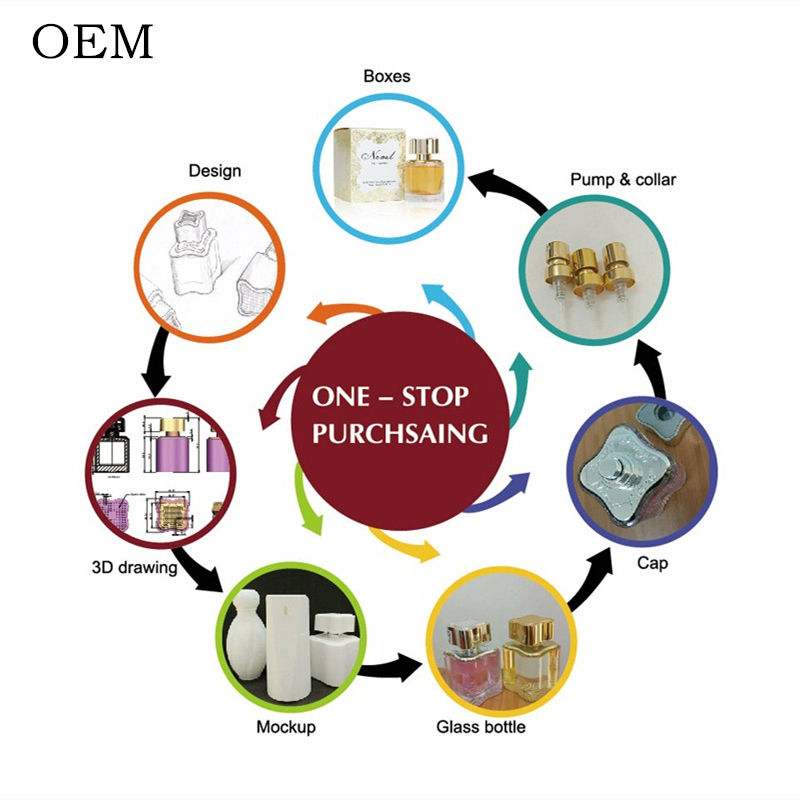
8. Packaging and Scent Preservation
Once the formula is finalized, the next step is integrating the scent with packaging design. Packaging influences perception and, in some cases, scent longevity. Dark glass may protect volatile top notes, while atomizer quality affects dispersion and longevity on the skin.
Perfumers and packaging designers often collaborate to ensure that:
The bottle does not interact with the fragrance (chemically or physically)
Atomizer spray delivers a consistent mist
Seals and closures prevent evaporation over time
These considerations ensure what you design in development remains true in the consumer’s hands.
9. Final Testing Before Production
Before moving into bulk production, OEM partners conduct final quality assurance tests on the approved formula:
Scent consistency across samples
Stability over time and temperature
Batch reproducibility
Safety and allergen labeling accuracy
Only after passing these checks does the formula go into manufacturing.
10. Launch and Beyond
After manufacturing, packaging, and distribution, the designed perfume finally reaches the market. But fragrance design doesn’t stop there: brands monitor feedback, seasonal performance, and customer reception to inform future iterations or new product lines.
Successful brands treat fragrance notes as living assets—elements that evolve with trends, preferences, and new ingredient technologies.
Conclusion
Designing perfume notes in OEM fragrance development is a multidisciplinary process that blends creativity, chemistry, and strategic planning. From the initial brief and material selection to accord building, iteration, and testing, every step shapes the character and success of your scent.
Understanding how these pieces fit together empowers you as a brand owner to collaborate effectively with perfumers, make informed decisions, and create perfumes that resonate with your audience. Whether you’re crafting your first scent or refining a signature line, mastering perfume note design is key to fragrance success.
If you want help creating a detailed fragrance brief or sniff list for your next OEM perfume project, feel free to ask—I'm here to guide you!
Related Article


CATEGORIES
CONTACT US
Whatsapp: +8618998453346
Phone: +8618998453346
Tel: +8618998453346
Email: [email protected]
Addr: Baiyun District, Guangzhou, Guangdong Province, China
Hot Goods
 <
<
 <
<
 <
<
 <
<
 <
<
 <
<
 <
<
 <
<
 <
<
<
<