Knowledge
IFRA Standards Explained for OEM Perfume Brands | Complete Guide
Writer:admin Time:2025-05-30 01:03 Browse:views
When launching a perfume under your brand — whether you are working with an established manufacturer or a specialist OEM partner — safety and compliance are not optional. Among the most important frameworks governing fragrance safety in the world is the IFRA Standard. For brand owners, understanding IFRA (International Fragrance Association) requirements is essential. These standards influence ingredient choice, formulation options, labeling, and where and how your product can be sold worldwide.
This in‑depth, natural‑language guide explains IFRA standards from first principles, why they matter to OEM perfume brands, how compliance works in practice, and how to integrate these requirements smoothly into your product development and launch plans.
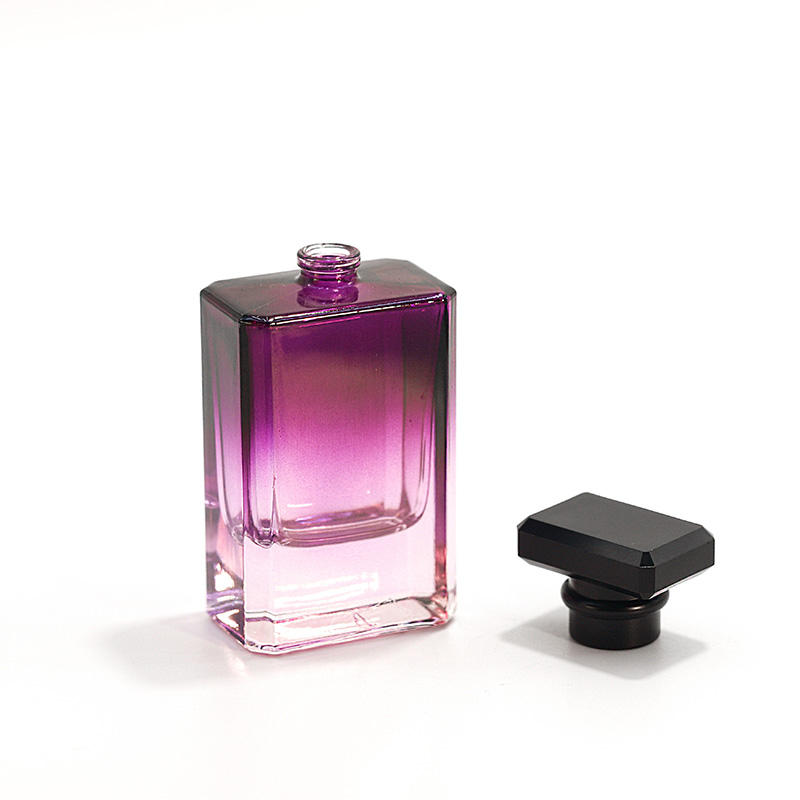
1. What Is IFRA?
IFRA (International Fragrance Association) is a global industry body that establishes safety standards for fragrance ingredients and finished fragrance products. IFRA’s mission is to ensure that fragrances are safe for consumers and the environment when used as intended.
IFRA doesn’t regulate marketing claims, packaging design, or branding language — instead, it focuses exclusively on the chemical safety and allowable use levels of fragrance materials. IFRA standards are widely recognized and referenced by governments and regulatory bodies around the world.
These standards are updated periodically in response to the latest scientific research. This means brands and manufacturers alike must stay current with IFRA revisions to remain compliant.
2. Why IFRA Standards Matter for OEM Perfume Brands
For perfume brands that rely on OEM partners to develop and manufacture fragrances, IFRA standards are foundational for four key reasons:
Consumer Safety: IFRA limits potential risks such as skin irritation, allergic reaction, and systemic exposure.
Regulatory Clearance: In many markets, IFRA compliance is required (or strongly recommended) for cosmetic and fragrance products to be legally sold.
Global Distribution: IFRA compliance helps brands export products to key markets such as the EU, United States, Japan, and Asia Pacific.
Brand Trust: Demonstrating a commitment to safety builds consumer confidence and protects brand reputation.
While IFRA compliance is typically managed behind the scenes by manufacturers and formulators, brand owners should understand how it affects formulation decisions and product timelines.
3. How IFRA Standards Work (Basics Explained)
IFRA standards are rooted in toxicological risk assessments. Scientific committees evaluate a fragrance ingredient based on its potential to cause irritation, sensitization, or other adverse effects. Based on these evaluations, IFRA issues use restrictions for that ingredient.
Restrictions may include:
Maximum concentration levels (e.g., a substance may be allowed only up to 0.1% in a final product)
Prohibitions (e.g., certain materials may not be used at all)
Category‑specific limits (different limits for perfumes, body lotions, deodorants, etc.)
These limits become part of the IFRA Standard, which is divided into use categories that reflect different types of products (e.g., perfume sprays, body creams, fine fragrances).
Table 1: Example IFRA Restrictions Types
| Restriction Type | What It Means |
|---|---|
| Prohibited | Ingredient cannot be used at any level |
| Restricted | Ingredient allowed but only below a specific concentration |
| Category‑Specific Limit | Maximum permitted level varies by product type |
| Derivative Restriction | Certain breakdown products are limited |
4. IFRA Standards and Fragrance Formulation
When your OEM partner develops a fragrance for you, IFRA plays a role at the earliest formulation stages. Fragrance ingredients are identified using INCI (International Nomenclature of Cosmetic Ingredients) names, and each raw material in a formula is checked against the latest IFRA limits.
Formulators often use Fragrance Raw Material (RML) lists provided by IFRA or integrated into formulation software to flag restricted materials in real time.
For example, if a perfumer wants to use a jasmine extract or a synthetic aroma chemical with sensitization potential, the software may flag that ingredient and suggest limits or alternatives.
This process ensures that a prototype perfume:
Meets safe use levels
Can be manufactured reliably
Is compliant in multiple markets
Because IFRA standards are updated periodically (new editions replace older ones), OEM partners typically maintain internal compliance teams or software that track and integrate these updates.
5. IFRA Use Categories: Why They Matter
The IFRA Standard divides product types into use categories — each with distinct exposure expectations. Why does this matter? Because the same ingredient may have a higher allowable level in a shampoo (short contact, rinsed off) and a much lower allowable level in perfume (longer contact with skin).
Here’s how some common categories are structured:
Table 2: Sample IFRA Product Use Categories
| IFRA Category | Example Products | Exposure Type |
|---|---|---|
| Category 1 | Rinse‑off products (shampoos, soaps) | Short contact |
| Category 2 | Body sprays | Short to moderate contact |
| Category 3 | Fine fragrances | Long contact with skin |
| Category 4 | Deodorants & antiperspirants | Contact under clothing |
| Category 5 | Hand creams | Extended skin exposure |
Because perfumes and colognes fall into a category with higher skin contact duration, fragrance designers and OEM partners must be particularly careful about how restricted ingredients are used.
For brand owners, knowing the use category helps clarify why some ingredients are limited more strictly in your product than in other consumer items.
6. How Compliance Is Demonstrated
It’s not enough to say a fragrance is compliant — you must document it. In OEM perfume manufacturing, compliance documentation is essential before launching products.
Typical compliance deliverables include:
IFRA Certificate: A statement from your OEM partner indicating the formula is compliant with a specific IFRA Standard edition (e.g., IFRA 51st Amendment).
Safety Data Sheets (SDS): Outlines hazard classifications and safety handling for raw materials.
Perfume Formula Documentation: Ingredient listings with INCI names and concentrations.
These documents support regulatory filings in markets like the EU (Cosmetics Regulation), U.S. (FDA cosmetic requirements), and others.
7. IFRA Renewal and Revisions
IFRA standards evolve with new scientific evidence. This means that a fragrance compliant today might require reformulation in future if the standard changes.
IFRA updates matter more for:
Long‑term product lines
Global distribution plans
Formulas using borderline or highly concentrated materials
Revisions may affect:
Maximum allowable concentrations
Prohibited lists of raw materials
Use category definitions
For brands planning multiple products or collection expansions, working with an OEM partner that tracks IFRA updates is extremely valuable.
8. IFRA Compliance and Global Markets
Different markets have different regulatory frameworks, but IFRA compliance often serves as a bridge between them.
For example:
European Union: IFRA compliance supports EU Cosmetics Regulation requirements.
United States: The FDA doesn’t enforce IFRA but expects products to be safe and properly labeled; IFRA compliance is strong evidence in support of safety.
Asia Pacific / Middle East: Many regions adopt IFRA guidelines directly or reference them in local regulation.
Because of this linkage, many global brands require IFRA compliance before OEM partners begin formulation.
9. Balancing Creativity and Compliance
A common misconception is that IFRA compliance limits creativity. In reality, it influences how creation happens:
Perfumers and formulators choose materials with an eye toward compliance from day one
Restricted materials may be used at lower levels or replaced with alternatives
Novel synthetics can be selected that offer similar scent profiles without safety limitations
This kind of work is normal in OEM fragrance development. Strong OEM partners build compliance checks into their formulation process rather than treating it as an afterthought.
10. Practical Steps for Brand Owners
If you are a brand owner embarking on perfume development with an OEM manufacturer, here’s how to integrate IFRA standards into your workflow:
Step 1: Start with a Clear Brief
Include any desired ingredient preferences and target markets, so your OEM partner understands exposure expectations.
Step 2: Ask About IFRA Versions
Confirm which IFRA standard edition the manufacturer uses (e.g., 49th, 50th, 51st). Use of the latest edition is recommended.
Step 3: Get Interim Compliance Feedback
During sampling and prototyping, request status on compliance — don’t wait until the final formulation stage.
Step 4: Collect Documentation Early
Ensure you receive formal certificates and formula sheets ahead of production.
Step 5: Plan for Future Updates
Ask your OEM partner how they handle future IFRA revisions and whether reformulation support is included.
11. Real‑World Examples
To illustrate how IFRA matters in practice:
A floral perfume with high rose absolute content: Rose absolute often contains components that trigger IFRA restrictions. The formulation may need to reduce rose concentration or blend with supporting materials to meet allowable limits.
A citrus‑heavy cologne for global markets: Some citrus oils contain photo‑sensitizing components. IFRA limits require careful balancing to avoid skin sensitivity.
A unisex amber woody scent: Base notes like oakmoss have historically been restricted, prompting perfumers to choose compliant substitutes that evoke similar warmth.
Real formulation work relies on knowing these constraints early so that sampling, evaluation, and production can proceed without costly delays.
12. IFRA Compliance and OEM Partners
Your choice of OEM manufacturer matters. A partner with a mature fragrance compliance process:
Maintains up‑to‑date IFRA libraries and databases
Integrates compliance checks into formulation software
Provides transparent documentation for each formula
Advises on ingredient alternatives when needed
Supports global market regulatory planning
To evaluate potential partners, brands often use directories and industry resources — for example, https://www.perfume-manufacturer.com/ lists manufacturers and allows comparison of capabilities, including safety and compliance services.
13. Costs and Timelines Around IFRA Compliance
IFRA compliance impacts both costs and timelines:
Formulations with highly restricted ingredients may require additional sampling rounds
Reformulation for future IFRA revisions may be needed if standards change
Documentation preparation and quality checks add steps before production
However, incorporating IFRA early in project planning minimizes surprises and supports smoother product launches.
14. Summary: What IFRA Means for Your Brand
At its core, IFRA exists to protect consumers. For OEM perfume brands, the standards:
Ensure fragrance safety
Enable legal distribution in major markets
Influence formulation choices
Require documentation and version tracking
Are factored into product design and launch planning
Approaching IFRA as part of the creative and operational process — rather than a hurdle to compliance — helps brands build stronger, safer, and more market‑ready fragrances.
15. Final Thoughts
IFRA standards are a critical part of the perfume industry’s safety infrastructure. As an OEM perfume brand owner, being knowledgeable about IFRA helps you communicate effectively with manufacturers, plan product development more accurately, anticipate regulatory needs, and build trust with consumers and retailers alike.
If you need help preparing an IFRA‑aware fragrance brief or evaluating OEM partners based on compliance capabilities, I can help guide you through it — just ask!
Related Article

CATEGORIES
CONTACT US
Whatsapp: +8618998453346
Phone: +8618998453346
Tel: +8618998453346
Email: [email protected]
Addr: Baiyun District, Guangzhou, Guangdong Province, China
Hot Goods
 <
<
 <
<
<
<
 <
<
 <
<
 <
<
 <
<
 <
<
 <
<
 <
<