Knowledge
How OEM Perfume Manufacturing Works: From Concept to Finished Bottle
Writer:admin Time:2025-05-30 01:01 Browse:views
For many entrepreneurs and brands entering the fragrance market, the journey from an idea to a beautifully finished bottle can feel like navigating a maze. Original Equipment Manufacturer (OEM) perfume production simplifies this journey by providing expert support at every stage. Whether you’re launching your first fragrance or expanding an existing line, understanding how OEM perfume manufacturing works empowers you to make strategic decisions, avoid costly mistakes, and bring your vision to life with confidence.
In this complete guide, we’ll explore the end‑to‑end process of OEM perfume manufacturing, including initial concept development, fragrance formulation, regulatory compliance, production, quality control, packaging, and delivery. We’ll include practical insights and five detailed tables to help you visualize each critical step.
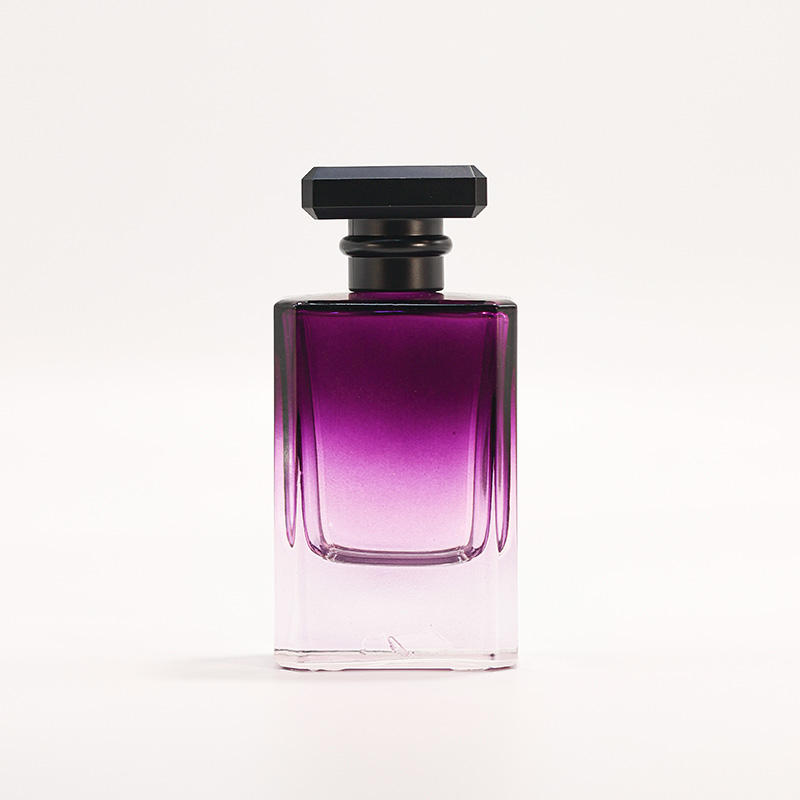
1. What Is OEM Perfume Manufacturing?
At its core, OEM perfume manufacturing refers to a process where a fragrance manufacturer produces products on behalf of a brand owner. The OEM partner handles the technical aspects — like formulation, production, compliance, and quality control — while the brand focuses on its identity, marketing, and sales.
Unlike private label, where you select from pre‑made formulas, OEM allows custom fragrance development tailored to a specific brand style, audience, and market positioning. This makes OEM ideal for brands seeking differentiation, storytelling, and bespoke scent profiles that resonate with customers.
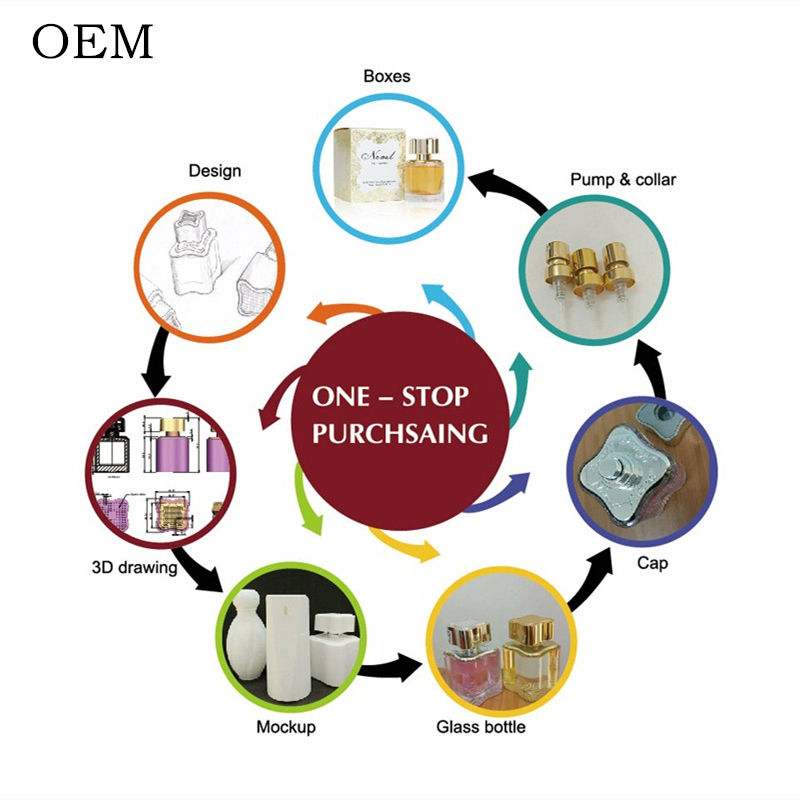
2. The OEM Perfume Manufacturing Workflow
OEM perfume production is best understood as a sequence of interconnected stages. Each stage builds on the previous one, ensuring a smooth transition from abstract ideas to tangible products.
The main stages typically include:
Concept & Market Research
Fragrance Development & Sampling
Regulatory Review & Compliance
Production & Quality Assurance
Packaging & Finished Bottle
Below is a high‑level summary:
Table 1: OEM Perfume Manufacturing Stages
| Stage | Key Focus | End Result |
|---|---|---|
| Concept & Research | Define vision and target audience | Fragrance brief & product brief |
| Fragrance Development | Create scent formulas and refine | Approved fragrance samples |
| Compliance | Ensure legal & safety standards | Compliant formulation |
| Production | Scale up manufacturing | Bulk perfume ready for packaging |
| Packaging | Labeling and finishing | Final product ready for sale |
3. Stage 1: Concept & Market Research
The journey begins with a clear product concept. Without a well‑defined vision, the rest of the process can become unfocused and inefficient.
During this stage, you’ll work with the OEM partner to answer questions such as:
Who is the target customer for this fragrance?
What emotions or lifestyle themes should the scent convey?
Are there competitive products that inspire or inform design?
What price point and positioning does the brand aim for?
OEM partners often provide valuable market insights, trend reports, and competitor analysis. Many brands also refer to specialized industry resources (for example https://www.perfume-manufacturer.com/) to identify reputable manufacturers, evaluate capabilities, and benchmark product specifications.
The result of this stage is a product and fragrance brief that guides all subsequent decisions.
Crafting the Fragrance Brief
A fragrance brief is a document outlining:
Desired scent families (e.g., floral, woody, citrus, oriental)
Intensity and concentration level (e.g., eau de parfum, Eau de toilette)
Target demographics (age, gender, lifestyle)
Brand story or inspiration keywords
A clear brief reduces guesswork and accelerates the development phase.
4. Stage 2: Fragrance Development & Sampling
Once the brief is established, the OEM’s perfumers begin formulating scent options.
Initial Formulation
The perfumer creates several initial formulations based on the brief. These are small‑batch prototypes that capture different scent directions.
Sample Review & Iteration
You review these samples and provide feedback. This stage can involve multiple rounds of refinement, focusing on:
Scent balance and harmony
Longevity and dry‑down behavior
Color, viscosity, and stability
Most brands go through two to five rounds of sampling before final approval. The goal here is to ensure that the chosen fragrance precisely reflects the brand’s vision.
Table 2: Fragrance Sampling Criteria
| Evaluation Aspect | What It Means |
|---|---|
| Top Notes | Initial scent perceived when applied |
| Heart (Middle) Notes | Main body of the fragrance |
| Base Notes | Long‑lasting foundation |
| Longevity | How long the scent lasts on skin |
| Stability | Consistency over time and temperature |
This stage may also involve internal panel testing or consumer feedback sessions for additional validation.
5. Stage 3: Regulatory Review & Compliance
Perfumes sold internationally must comply with various safety and regulatory standards. Responsible OEM partners manage this process, ensuring that formulations meet key requirements such as:
IFRA (International Fragrance Association) standards
EU Cosmetics Regulation
FDA regulations (for the U.S. market)
Other regional or national requirements
Regulatory compliance is not optional. It protects consumers and ensures the brand can sell products without legal obstacles.
Table 3: Common Regulatory Standards
| Standard | Region | Key Focus |
|---|---|---|
| IFRA | Global | Fragrance ingredient safety |
| EU Cosmetics Regulation | European Union | Product safety & labeling |
| FDA | United States | Ingredient safety & notifications |
| Local Cosmetic Laws | Various | National compliance requirements |
The OEM partner conducts safety assessments, compiles required documentation, and may assist with necessary filings.
6. Stage 4: Production & Quality Assurance
With formulation and compliance confirmed, the product moves into manufacturing. At this stage, precision and consistency are paramount.
Production Steps
Raw Material Sourcing: High‑quality essential oils, fragrance compounds, alcohol, and additives are procured.
Batch Mixing: Ingredients are blended according to the final formula.
Filtration & Aging: The blend may be filtered and aged to ensure stability.
Quality Checks: Each batch undergoes sensory evaluation and laboratory testing.
Quality assurance protocols are applied to ensure every bottle meets the same standards.
Table 4: Common Quality Control Measures
| QC Measure | Purpose |
|---|---|
| Batch Consistency Check | Ensures uniform scent profile |
| Alcohol Content Testing | Confirms correct concentration |
| Microbial Testing | Verifies product hygiene |
| pH & Stability Tests | Ensures product performance over time |
These checks protect the brand’s reputation and help prevent recalls or complaints after launch.
7. Stage 5: Packaging and Finished Bottle
Once the perfume itself is complete, attention shifts to packaging — a critical element of brand perception.
Packaging Design
You may work with designers to create:
Custom bottle shapes and caps
Labels and logo artwork
Printed boxes and secondary packaging
Packaging reinforces brand identity and should align with the target audience’s expectations.
Filling & Assembly
The OEM partner performs:
Filling: Perfume is dispensed into bottles.
Capping & Sealing: Bottles are securely closed.
Labeling & Boxing: Finished products are labeled and packaged for distribution.
Packaging often undergoes a separate approval process, especially for quality, aesthetics, and durability.
Table 5: Packaging Components Guide
| Component | Description |
|---|---|
| Bottle | Primary container (glass, acrylic) |
| Atomizer Spray | Delivery mechanism |
| Cap | Closure and design detail |
| Label | Brand graphics and product info |
| Box | Outer carton with branding |
Packaging decisions influence manufacturing costs and lead times, so they are best finalized early in the process.
8. Delivery, Logistics, and Launch Preparation
With finished bottles ready, the final step involves delivery and logistics. OEM factories often support:
Shipping arrangements (air, sea, land)
Customs documentation
Warehousing solutions
Planning logistics carefully helps avoid delays, additional costs, and inventory shortages.
From a brand owner’s perspective, this phase also includes:
Setting launch timelines
Coordinating marketing campaigns
Preparing sales channels and distribution networks
A well‑timed launch ensures the product reaches customers when demand is highest.
9. Why OEM Perfume Manufacturing Matters for Brands
OEM perfume manufacturing offers multiple advantages for brands of all sizes:
Customization: You can create a signature scent unique to your brand.
Quality Control: Trusted partners adhere to rigorous quality standards.
Efficiency: OEM partners have established processes that shorten time to market.
Cost Management: You avoid the expense of building your own production facility.
Regulatory Support: Experts manage compliance across multiple markets.
By collaborating with the right OEM partner, you gain expertise and reduce risk — particularly valuable in a competitive industry like fragrance.
10. Choosing the Right OEM Partner
Selecting the right OEM manufacturer is a strategic decision. Considerations include:
Experience and Reputation
Look for partners with a strong track record in fragrance development and manufacturing.
Technical Capabilities
Make sure they have labs, quality systems, and production capacity to meet your needs.
Communication and Transparency
Clear communication prevents misunderstandings and fosters collaboration.
Cost and Minimum Order Requirements
Understand pricing structures and whether MOQs fit your budget.
Support Services
Services such as design support, marketing guidance, and logistics assistance add value.
Conclusion: From Vision to Reality
OEM perfume manufacturing bridges the gap between an inspired idea and a finished bottle ready for the marketplace. It combines creativity, technical precision, regulatory adherence, and logistical expertise. By understanding each stage of the process — from concept to packaging — you can manage expectations, build stronger partnerships, and deliver products that resonate with customers and stand out on the shelf.
Whether you are launching a niche boutique fragrance or an ambitious global brand, OEM perfume manufacturing offers a reliable and scalable pathway to success.
Related Article
CATEGORIES
CONTACT US
Whatsapp: +8618998453346
Phone: +8618998453346
Tel: +8618998453346
Email: [email protected]
Addr: Baiyun District, Guangzhou, Guangdong Province, China
Hot Goods
 <
<
 <
<
 <
<
 <
<
<
<
 <
<
 <
<
 <
<
 <
<
 <
<