Knowledge
How Many Fragrance Variations Should a New Perfume Brand Launch?
Writer:admin Time:2023-06-02 18:22 Browse:views
For a new perfume brand, deciding how many fragrance variations to launch isn’t merely a creative choice — it’s a strategic business decision. Too few options may limit market appeal and reduce shelf presence. Too many can overextend resources, confuse customers, and complicate manufacturing, inventory, and marketing.
This comprehensive guide explores how new perfume brands can determine the optimal number of fragrance variations to launch, balancing creativity, costs, customer psychology, and long-term growth goals. Along the way, we include five detailed tables to help you understand product strategy, costs, consumer segmentation, and portfolio structures.
We also highlight practical insights for brands working with OEM producers — including how to leverage platforms like https://www.perfume-manufacturer.com/ to access fragrance development capabilities that align with your launch strategy.
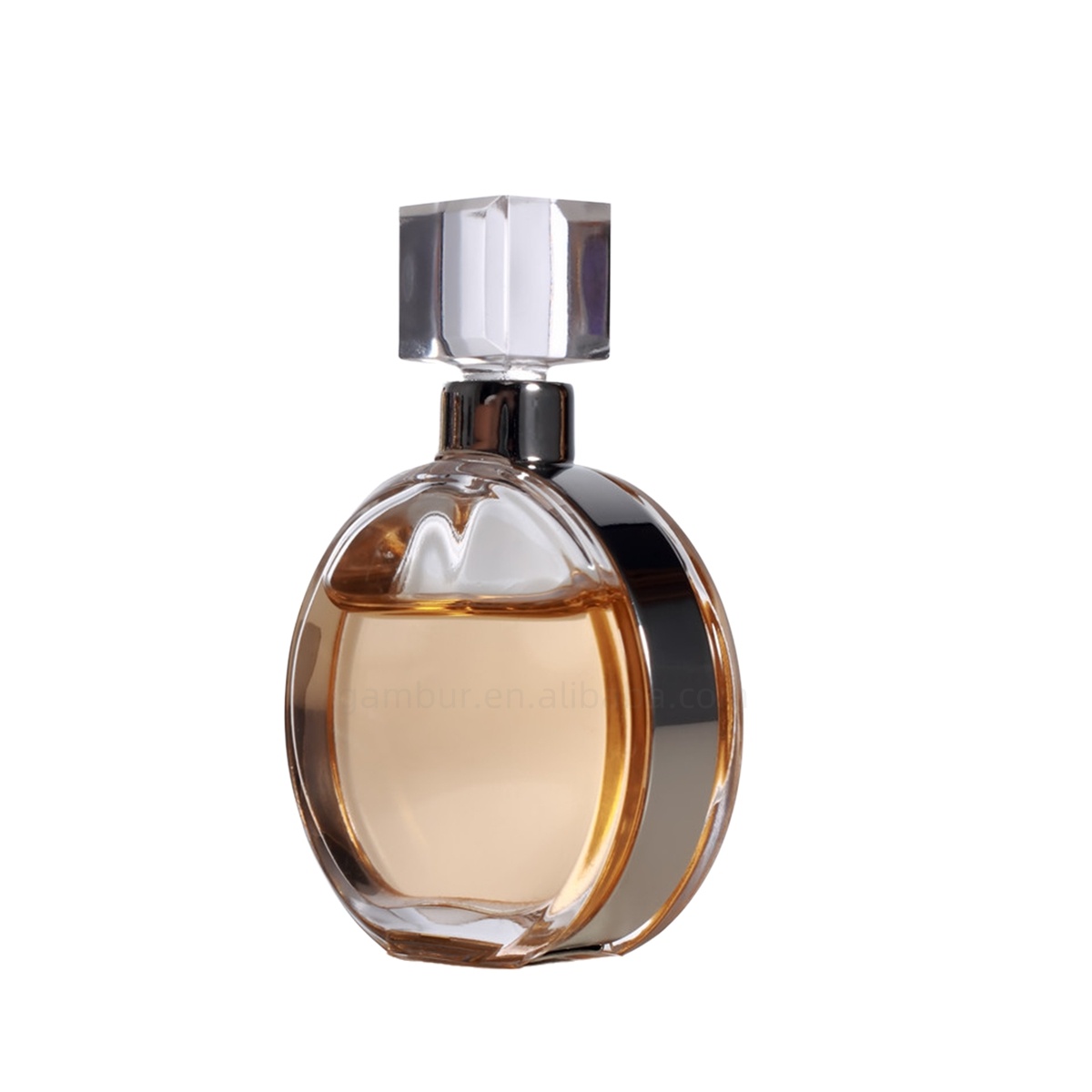
1. Why the Number of Fragrance Variations Matters
The number of products a brand enters the market with shapes its identity, consumer perception, and operational complexity.
Too few variations can make a brand seem limited or narrow in appeal. Too many can overwhelm customers, dilute brand identity, and strain production and marketing resources.
The key is to balance breadth with focus: offer enough choices to cover major customer preferences without causing choice overload or logistical headaches.
Table 1: Strategic Impacts of Fragrance Variation Count
| Factor | Too Few Variations | Too Many Variations |
|---|---|---|
| Market Appeal | Narrow | Broad but unfocused |
| Manufacturing Simplicity | High | Low |
| Inventory Risk | Low | High |
| Marketing Focus | Clear | Diluted |
| Customer Choice Satisfaction | Limited | Overwhelming |
| Cost Efficiency | Higher | Lower (due to complexity) |
2. Typical Strategies for New Perfume Brands
This section outlines common approaches brands use when planning their initial fragrance lineup.
2.1 Minimalist Strategy: 1–2 Variations
A minimalist launch focuses on one or two signature scents. This approach is ideal for:
Boutique or niche brands with a strong concept
Limited budgets
A targeted audience with a specific fragrance preference
Advantages include easier production, simpler inventory management, and focused marketing. However, this approach risks missing broader audience segments.
2.2 Balanced Strategy: 3–5 Variations
The balanced strategy is often recommended for new brands. It provides sufficient variety to appeal to different tastes while maintaining coherence and manageable complexity.
Unisex vs Gender-targeted (e.g., one unisex, one feminine, one masculine)
Fresh / Day / Night versions
A core scent with two complementary variations
This strategy often delivers the best compromise between variety, cost, and operational manageability.
2.3 Expanded Strategy: 6–10 Variations
An expanded lineup suits brands with:
Larger initial budgets
Broader target demographics
Retail or e-commerce distribution with ample marketing support
This approach allows segmentation by theme, mood, season, or intensity. However, it requires more robust supply chain and marketing plans.
2.4 Full Portfolio Strategy: 10+ Variations
This is typically reserved for established brands, fragrance houses with existing consumer awareness, or companies launching a complete ecosystem (e.g., perfume + lotion + body mist variants). For new brands, it carries significant risk unless carefully justified by market research.
3. Understanding Your Target Market
Before deciding how many fragrances to launch, you must understand who your customers are and what they want. Market research — both qualitative and quantitative — can guide product planning.
3.1 Customer Segmentation
Customers segment themselves by preferences such as:
Scent families (floral, woody, fresh, spicy)
Usage occasions (daily wear, evening, sport, special events)
Demographics (age, gender, lifestyle)
Price sensitivity
Table 2: Key Customer Segmentation Dimensions
| Segment | Preference Focus | Typical Scent Choices |
|---|---|---|
| Everyday Wear | Moderate, fresh scents | Citrus, light florals |
| Evening / Special Occasion | Deeper, richer scents | Amber, oud, musky |
| Youth / Trendy | Bold, playful scents | Gourmand, fruity |
| Luxury Seekers | Complex & unique | Niche woody or oriental |
| Unisex Audience | Balanced, versatile | Fresh, amber |
Segment insights help determine how many and which fragrance types to include in a launch.
4. Balancing Variety with Brand Identity
Your brand identity should inform how many fragrances you launch and which types you choose.
4.1 Cohesive Theme
Smaller portfolios often succeed when there’s a strong unifying theme. For example:
A botanical brand focusing on florals
A beach lifestyle brand emphasizing aquatic and citrus tones
An artisan niche line built around rare resins
Too many unrelated scents can dilute brand identity, making it harder for consumers to grasp what your brand stands for.
4.2 Strategic Line Extensions
A brand may choose three initial fragrances and plan future releases that extend the range. This allows:
Controlled inventory
Marketing focus on core products
Future buzz with staggered launches
5. Operational Considerations: Cost, Manufacturing, and MOQ
The number of fragrance variations directly affects production costs, logistics, and Minimum Order Quantities (MOQs).
5.1 Cost Implications
Each scent variation typically requires:
Separate formulation and sampling cycles
Ingredient sourcing
Testing and quality assessment
Packaging allocation
More variations usually mean higher upfront investment.
Table 3: Cost Components by Variation Count
| Cost Component | Low Variation (1–2) | Mid Variation (3–5) | High Variation (6+) |
|---|---|---|---|
| Scent Development | Low | Moderate | High |
| Sampling Costs | Low | Moderate | High |
| Ingredient Procurement | Low | Moderate | High |
| Inventory Holding | Low | Moderate | High |
| Packaging Variants | Low | Moderate | High |
5.2 OEM and MOQs
OEM perfume manufacturers often set MOQs per SKU — which means each new fragrance variation may require a separate minimum quantity order. This directly increases:
Inventory commitments
Cash flow requirements
Storage and warehousing needs
Many brands negotiate with their OEM partner to optimize MOQs or stagger production schedules.
Platforms like https://www.perfume-manufacturer.com/ help brands identify manufacturers with flexible MOQ options and expertise in managing multi-SKU projects.
6. Timing and Rollout Strategy
Rather than launching many variations all at once, consider a phased rollout:
Core Launch (Initial 1–3) – Focus on standout scents to establish identity
Phase 2 (Next 2–3) – Add variations to capture broader preferences
Seasonal/Theme Editions – Limited releases to stimulate interest
This approach helps manage budget, gauge consumer feedback, and refine future formulations.
7. Industry Benchmarks: How Other Brands Do It
Looking at how other brands approach launch size can offer guidance. While there’s no “one size fits all,” here are typical launch patterns:
Table 4: Launch Size Benchmarks by Brand Type
| Brand Type | Typical Launch Variations | Reasoning |
|---|---|---|
| Indie/Niche Brand | 1–3 | Targeted identity, lower cost |
| Lifestyle Brand | 3–5 | Broad appeal without overreach |
| Celebrity/Influencer | 5–8 | Diverse audiences and channels |
| Established CPG Brand | 8–12 | Multi-channel retail strategy |
| Luxury House | 10+ | Full portfolio for prestige placement |
Understanding where your brand fits helps calibrate expectations and strategy.
8. Consumer Psychology and Choice Overload
While more options can appeal to a broader range of consumers, too many choices can overwhelm buyers. Research in consumer psychology suggests that an excessive number of options may reduce purchase likelihood because customers struggle to decide.
To avoid choice overload:
Group related scents into categories (e.g., Fresh, Floral, Woody)
Use clear naming and descriptors
Highlight hero products in marketing
Offer scent discovery sets before full bottles
Discovery sets are especially effective for new brands: they allow customers to sample multiple variations before committing.
9. Case Scenarios: How Many Variations to Launch
9.1 Boutique Niche Brand
A boutique perfume brand with a handcrafted ethos may launch:
3 variations:
A signature floral
A unisex amber
A limited-edition woody
This balance keeps costs manageable while showing diversity.
9.2 Lifestyle Brand
A lifestyle brand with broader appeal could launch:
5 fragrances:
Fresh citrus (day)
Romantic floral (evening)
Woody unisex (all seasons)
Aquatic (summer)
Warm spice (fall)
This selection targets key customer segments without overwhelming choices.
9.3 Celebrity/Influencer Line
A celebrity line backed by strong marketing might launch:
6–8 variations, including:
Signature scent
Day/Night versions
Travel sprays
Limited color-themed editions
Celebrity influence often compensates for broader portfolios.
10. Packaging and Brand Story Consistency
Multiple fragrance variations deserve packaging and branding consistency. Even with diverse scent profiles, elements like:
Logo design
Bottle silhouette
Color palette
Typography
Naming conventions
should work together to reinforce brand recognition.
Having consistent visual elements while differentiating scent personalities helps customers navigate your portfolio.
11. Measuring Success and Iterating
After launch, track performance metrics such as:
Sales by SKU
Customer reviews and feedback
Repeat purchase rates
Inventory turnover
These insights inform future decisions about:
Adding new variations
Retiring underperforming scents
Repackaging or reformulating
A data-driven approach allows brands to adapt and evolve intelligently.
12. Long-Term Portfolio Growth
Once the initial fragrances establish your brand, you can consider strategic extensions:
Seasonal Editions – Holiday or summer themed scents
Special Collaborations – With artists or influencers
Limited Drops – To stimulate urgency and buzz
Product Extensions – Body mist, lotions, candles with matching scent profiles
Long-term planning turns a static lineup into a living portfolio that grows with your audience.
13. Risks and How to Mitigate Them
Launching multiple fragrance variations carries risks:
Inventory risk with unsold stock
Brand dilution from unfocused product lines
Increased operational complexity
Mitigation strategies include:
Starting with a balanced portfolio (3–5)
Using data from pre-launch surveys
Testing with limited release or discovery sets
Working closely with an OEM partner to manage costs and timelines
14. Final Recommendations
For most new perfume brands, a balanced launch of 3–5 fragrance variations hits the sweet spot between variety and focus:
Broad enough to appeal to diverse preferences
Manageable production and inventory
Clear branding and marketing messaging
From there, you can grow your portfolio through phased releases and responsive iteration.
Working with a knowledgeable OEM perfume manufacturer — and leveraging resources like https://www.perfume-manufacturer.com/ — helps ensure your product development, cost planning, and launch strategy align with your business vision.
Conclusion
Deciding how many fragrance variations to launch is a pivotal strategic choice for any perfume brand. It affects everything from production cost and marketing to customer experience and long-term growth. By balancing research, brand identity, consumer psychology, and operational constraints, you can craft a fragrance portfolio that resonates with your audience without overwhelming your resources.
If you’d like help mapping your brand’s ideal launch strategy or building a fragrance road map, I’d be glad to assist!
Related Article




CATEGORIES
CONTACT US
Whatsapp: +8618998453346
Phone: +8618998453346
Tel: +8618998453346
Email: [email protected]
Addr: Baiyun District, Guangzhou, Guangdong Province, China
Hot Goods
 <
<
 <
<
 <
<
 <
<
 <
<
 <
<
 <
<
 <
<
 <
<
 <
<