Knowledge
How to Create a Custom Scent with an OEM Perfume Manufacturer
Writer:admin Time:2023-06-06 00:00 Browse:views
Creating a custom scent is one of the most exciting and defining moments for any brand entering the fragrance market. Whether you’re launching a signature perfume for your fashion label, a lifestyle scent for your boutique, or a personal brand for retail distribution, partnering with an OEM (Original Equipment Manufacturer) perfume maker transforms your concept into a tangible product.
Working with an OEM perfume manufacturer combines creative vision with technical expertise: perfumers translate your ideas into formulas, development teams refine scent performance, and production specialists deliver consistent, market‑ready products. This guide walks you through the entire process step by step, offering practical advice and actionable insights for every phase — from concept to launch.
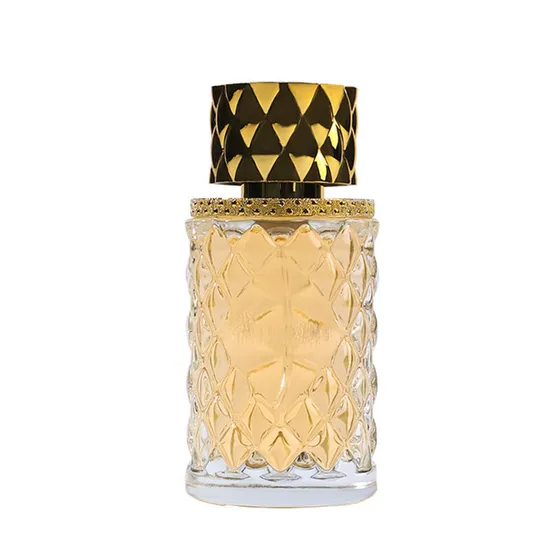
1. Understanding the Role of an OEM Perfume Manufacturer
An OEM perfume manufacturer is a partner that produces fragrances on behalf of brands. Unlike private label, where you choose from pre‑made formulas, custom OEM manufacturing involves co‑creating a unique scent tailored to your brand identity.
A strong OEM partner will:
Help define your fragrance concept
Translate your brief into a technical formula
Provide sampling and refinement rounds
Handle regulatory compliance and safety testing
Scale production for retail or distribution
To explore and compare experienced manufacturers and understand their capabilities, many brands use industry resources such as https://www.perfume-manufacturer.com/ to research potential partners and review technical strengths.
2. The First Step: Define Your Brand’s Fragrance Vision
Before scent creation begins, you must articulate your fragrance vision. A clear and detailed brief ensures that both you and your OEM partner share the same direction.
What to Include in a Fragrance Brief:
| Element | Purpose |
|---|---|
| Brand Positioning | Defines how the scent aligns with your brand story |
| Target Market | Age group, gender focus, cultural context |
| Emotional Profile | Feelings you want the scent to evoke (e.g., calm, bold) |
| Scent Inspiration | Mood boards, reference perfumes, memories |
| Usage Occasion | Daily wear, evening, seasonal, luxury launch |
| Budget & Timeline | Cost constraints and launch deadlines |
This document serves as the foundation for all subsequent discussions. The more specific and descriptive your brief, the easier it is for perfumers to interpret your goals accurately.
3. Choosing the Right OEM Partner
Not all manufacturers are the same. Selecting an OEM partner with the right expertise, communication style, and technical capabilities can make or break your fragrance project.
Key Criteria for Evaluating Manufacturers:
| Criteria | What It Tells You |
|---|---|
| Technical Experience | Depth of perfumery expertise and past projects |
| Sample Process | How iterative and responsive their sampling is |
| Regulatory Knowledge | Familiarity with IFRA and international requirements |
| Packaging Support | Ability to help with bottle, label, and box design |
| MOQ & Costs | Minimum order quantities and overall pricing |
If possible, request case studies or examples of past custom formulations. A manufacturer’s portfolio often reveals their versatility and ability to capture diverse brand identities.
4. Initial Consultation and Brief Finalization
Once you’ve identified a potential partner, schedule an initial consultation. This discussion is your opportunity to elaborate on your brief, share sensory inspirations (e.g., specific smells, places, memories), and align expectations about timelines and costs.
During this stage, the OEM partner may ask questions such as:
Do you want natural, synthetic, or hybrid scent materials?
Are there ingredient exclusions (e.g., to avoid allergens)?
What retail price point are you targeting?
Is your priority longevity, projection, or uniqueness?
A well‑facilitated consultation ensures both parties agree on goals before moving into formulation.
5. Fragrance Formulation: From Concept to First Samples
The heart of custom scent creation lies in fragrance formulation. This is where your abstract ideas begin to take aromatic shape.
5.1 Understanding Scent Structure
Perfumes are composed in layers:
| Scent Layer | Role |
|---|---|
| Top Notes | Immediate impression after application |
| Heart (Middle) Notes | Core personality of the fragrance |
| Base Notes | Depth and longevity |
These layers are combined in a fragrance pyramid that determines how the scent unfolds on the skin.
5.2 Perfumers Translate Brief into Formula
Your OEM’s perfumer uses the brief to select raw materials — natural extracts like essential oils and absolutes, and/or synthetic aroma chemicals — that reflect the desired character.
A manufacturer with robust technical support may offer:
Olfactory evaluation sessions
Suggested accords (harmonized blends)
Creative twists to make your scent unique
This is also when regulatory considerations come into play — ingredients must comply with safety standards such as IFRA use limits and regional cosmetic regulations.
6. The Sampling and Feedback Cycle
After the initial formulation, the OEM manufacturer produces sample vials of your custom perfume. These are your first real impressions.
Typical Sampling Steps:
| Step | What Happens |
|---|---|
| First Draft Samples | Early representation based on brief |
| Internal Review | Your team evaluates scent on blotters and skin |
| Feedback | Notes on what to adjust (e.g., top note brightness) |
| Second Draft | Reformulation based on feedback |
| Repeat Cycles | Further refinement until approval |
Sampling is collaborative. Be specific in your feedback: cite how the top notes feel, how the heart unfolds, and how the base lasts over hours.
7. Regulatory and Safety Compliance
Perfumes intended for global markets must meet regulatory standards. Reputable OEM partners manage this process as part of production.
Areas of focus include:
Safety assessments of all raw materials
Compliance with IFRA standards for allowable ingredient use
Ingredient labeling per INCI requirements
Compatibility assessments for packaging materials
Manufacturers often provide compliance documentation such as IFRA certificates and Safety Data Sheets for your records and distribution needs.
8. Packaging Design and Differentiation
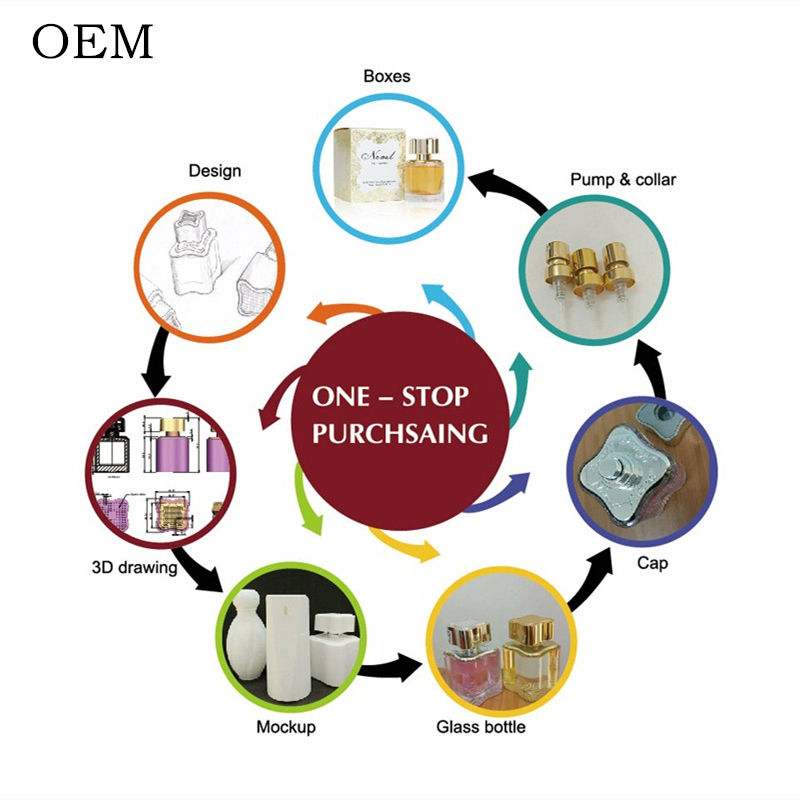
While fragrance formulation is central, packaging defines the consumer experience. Working with your OEM partner or a design team, you will choose:
Bottle shape and material
Cap design and atomizer style
Label graphics and typography
Outer box and protective materials
Great packaging complements the scent and strengthens brand storytelling.
Packaging Decisions Impact:
| Packaging Choice | Influence |
|---|---|
| Bottle Material | Perceived luxury and scent protection |
| Label Style | Brand identity and store presence |
| Box Finish | Shelf appeal and unboxing experience |
| Internal Inserts | Protection and brand messaging |
9. Production Planning and Quality Control
Once the custom scent and packaging are finalized, the OEM partner moves into production planning. This includes:
Confirming raw material availability
Scheduling batch runs
Performing quality control checks
Ensuring consistency across units
A robust quality control plan confirms that every bottle matches the approved formula and packaging standards.
10. Minimum Order Quantity (MOQ) and Cost Considerations
Custom scent creation involves investment. Manufacturers typically set a Minimum Order Quantity (MOQ) to ensure production efficiency. MOQs vary based on formulation complexity and packaging choices.
Common Cost Drivers:
| Item | Influence on Cost |
|---|---|
| Raw Materials | Natural extracts often cost more than synthetics |
| Packaging | Custom bottles and boxes add to unit costs |
| Sampling Rounds | Multiple iterations extend lead time |
| Regulatory Testing | Additional safety studies affect pricing |
Discuss MOQs early with your OEM partner to balance production volume with budget and launch goals.
11. Timelines: What to Expect from Start to Finish
Custom scent creation is not instantaneous. Below is a typical timeline for an OEM perfume project:
| Phase | Estimated Duration |
|---|---|
| Initial Consultation | 1–2 weeks |
| Fragrance Formulation | 2–6 weeks |
| Sampling Cycles | 4–12 weeks |
| Regulatory Compliance | 2–4 weeks |
| Packaging Design | 3–8 weeks |
| Production & QC | 3–8 weeks |
| Total Typical Timeline | 4–6 months |
Timelines depend on complexity and responsiveness during sampling. Starting early and planning milestones proactively helps keep your project on schedule.
12. Launch Preparation and Distribution
With production complete, you prepare to launch your custom scent:
Coordinate inventory delivery to warehouses or retail partners
Plan marketing campaigns (social media, events, press)
Organize product photography and launch content
Train retail staff on scent story and key messages
A coordinated launch strategy ensures your custom perfume reaches its audience effectively.
13. Post‑Launch Feedback and Iteration
After launch, gather consumer feedback to understand how the scent performs in real life. Did the fragrance evoke expected emotions? How long did it last? What do customers say about its character?
Post‑launch insights may inform:
Future reformulations
Line extensions (e.g., complementary body mist)
Seasonal or limited‑edition variants
The relationship with your OEM partner continues as you iterate and grow your product line.
14. Common Challenges and How to Overcome Them
Even well‑planned projects encounter hurdles. Here are common challenges and solutions:
| Challenge | Solution |
|---|---|
| Vague Brief | Refine vision with mood boards and references |
| Long Sampling Cycles | Provide detailed, structured feedback |
| Ingredient Restrictions | Work with OEM on regulatory‑compliant alternatives |
| Packaging Delays | Pre‑approve designs before formula capture |
| MOQ Constraints | Negotiate phased orders or shared batches |
Communication and clarity are the most effective tools for overcoming obstacles.
15. Final Thoughts
Creating a custom scent with an OEM perfume manufacturer is a rewarding journey that blends creativity, science, and strategy. By defining a clear vision, choosing the right partner, engaging in collaborative sampling, and planning well for production and launch, you can bring a signature fragrance to life that genuinely reflects your brand identity.
From the initial concept to the moment your perfume reaches the customer’s hands, every step matters. With the right approach and an experienced OEM partner by your side, your custom scent can become a powerful extension of your brand — one that builds loyalty and lasting impression.
If you’d like help refining your fragrance brief, choosing materials, or evaluating manufacturer options, just ask — I’m happy to support your creative journey!
Related Article
CATEGORIES
CONTACT US
Whatsapp: +8618998453346
Phone: +8618998453346
Tel: +8618998453346
Email: [email protected]
Addr: Baiyun District, Guangzhou, Guangdong Province, China
Hot Goods
 <
<
 <
<
 <
<
 <
<
 <
<
 <
<
 <
<
 <
<
 <
<
 <
<