Knowledge
OEM vs Private Label Perfume: What’s the Real Difference?
Writer:admin Time:2025-05-30 01:01 Browse:views
Entering the world of fragrance can be both exciting and overwhelming. Whether you’re a seasoned entrepreneur or a first‑time brand owner, you’ll quickly encounter two common manufacturing terms: OEM (Original Equipment Manufacturer) and private label. On the surface, they might look similar — both enable brands to bring perfumes to market without owning a factory — but the reality is deeper. Understanding the differences between OEM and private label perfume manufacturing can shape your business strategy, cost structure, and long‑term growth.
This comprehensive guide explores each model in detail, shows how they work, compares their strengths and weaknesses, and offers practical advice so you can choose the best path for your fragrance brand.
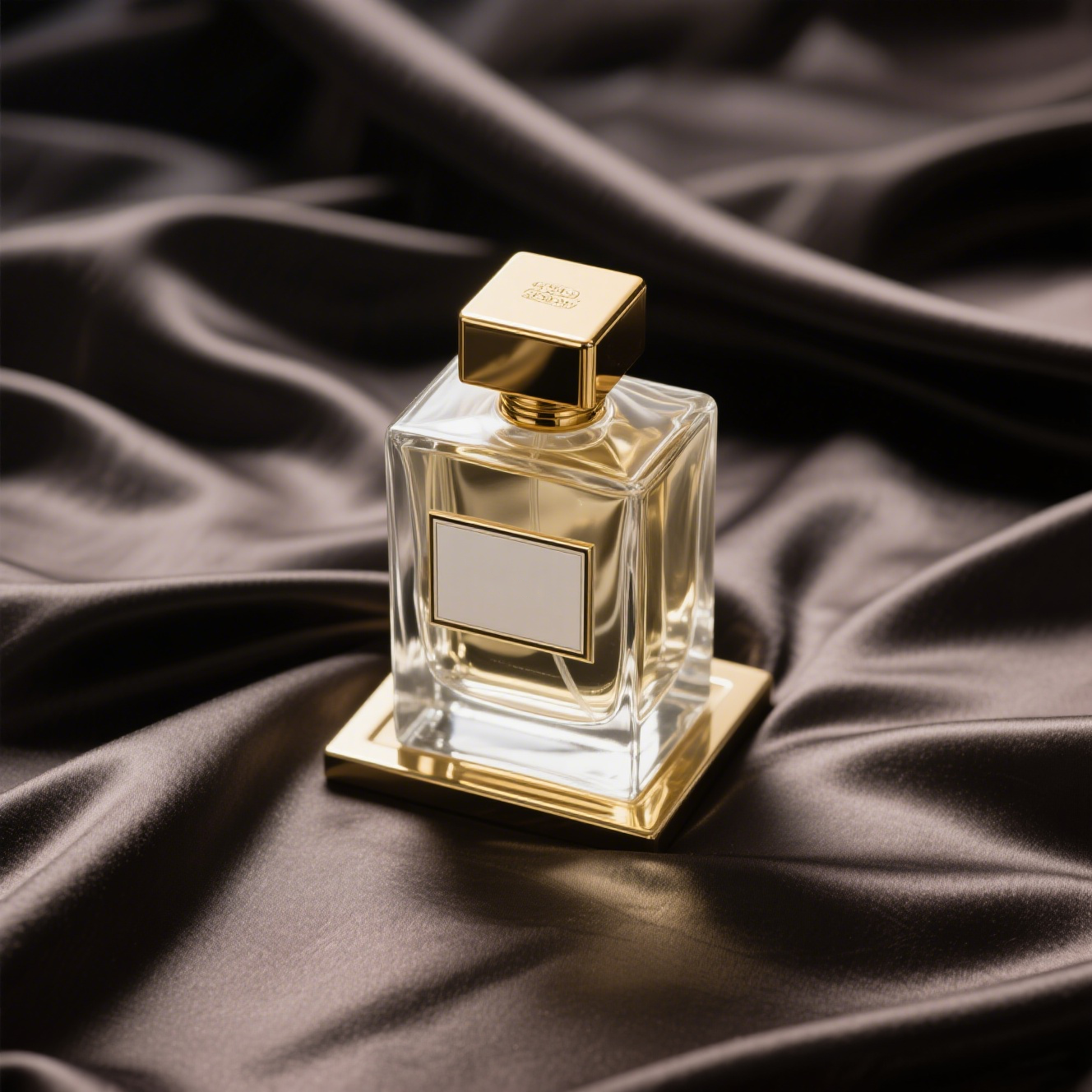
What Is OEM Perfume Manufacturing?
OEM perfume manufacturing is a custom production model. In this arrangement, the manufacturer works with you to develop a product that’s uniquely your own — from fragrance formulation to packaging design.
In an OEM partnership, you control the creative elements: scent profile, bottle shape, label design, brand story, and more. The manufacturer executes your specifications under a contractual agreement.
Table 1: Core Characteristics of OEM Perfume Manufacturing
| Feature | Description |
|---|---|
| Customization | High — unique formula and design tailored to your specifications |
| Branding | Fully owned by your brand |
| Product Ownership | Your brand retains complete rights |
| Minimum Order Quantity (MOQ) | Typically higher due to customization |
| Cost | Higher than private label due to bespoke production |
Brands that choose OEM manufacturing are often serious about differentiation. They may want a signature scent, a specific aesthetic, or exclusivity that sets them apart in a crowded marketplace.
What Is Private Label Perfume?
Private label perfume is a turnkey solution. In this model, manufacturers offer a catalog of pre‑formulated fragrances and ready‑made packaging options. You choose an existing product, put your label on it, and begin selling.
Private label is often used by startups, boutiques, or retailers who want to enter the fragrance market quickly and with lower upfront investment.
Table 2: Core Characteristics of Private Label Perfume
| Feature | Description |
|---|---|
| Customization | Low — choose from existing options |
| Branding | Your brand name on pre‑made product |
| Product Ownership | Formula usually owned by manufacturer |
| Minimum Order Quantity (MOQ) | Generally lower than OEM |
| Cost | Lower upfront investment |
Private label is popular because it simplifies the process. You don’t need a perfumer, R&D phase, or design team — you select from vetted options and get to market faster.
How OEM Perfume Manufacturing Works
To fully appreciate the difference, let’s break down how OEM perfume manufacturing typically unfolds:
1. Initial Consultation and Concept
You work with the manufacturer to define:
Target audience and positioning
Desired fragrance characteristics
Market trends and competitor analysis
This stage shapes the foundation for your product.
2. Fragrance Development
A perfumer or scent specialist translates your brief into a tangible formula. You’ll receive samples and refine until the scent aligns with your vision.
3. Packaging Design
Designers help craft unique bottle shapes, closures, labels, and box designs. Everything is tailored to your brand identity.
4. Production and Quality Assurance
Once the formula and packaging are approved, the manufacturer scales up production. Quality checks ensure consistency.
5. Delivery and Launch Support
Final products are packed and shipped. Some OEM partners also offer logistical services or guidance on regulatory compliance.
Note: For industry directory and manufacturer sourcing, many brands refer to resources such as https://www.perfume-manufacturer.com/ to locate reputable OEM partners and compare capabilities.
How Private Label Perfume Works
The private label process is more streamlined:
1. Selection from Catalog
You browse a manufacturer’s list of fragrance options and packaging templates.
2. Branding and Labeling
Once you choose a product, designers apply your label and branding elements.
3. Production
The manufacturer produces your order based on chosen SKU variants.
4. Delivery
Products are shipped ready for sale.
The key here is convenience — you skip formulation and raw material sourcing entirely.
Side‑by‑Side Comparison
Understanding the differences becomes clearer when the two models are compared directly.
Table 3: OEM vs Private Label Perfume — Direct Comparison
| Aspect | OEM Perfume | Private Label Perfume |
|---|---|---|
| Customization | Extensive (unique formula & design) | Limited (choose from existing options) |
| Time to Market | Longer (custom development) | Faster (ready‑made products) |
| Cost | Higher (design, R&D, bespoke production) | Lower (no R&D, minimal design) |
| Brand Differentiation | Strong | Moderate |
| Design Ownership | Fully owned | Shared or manufacturer retained |
| Scalability | Highly scalable | Scalable, but limited variation |
Cost Considerations
Understanding cost drivers helps you plan your budget effectively.
Table 4: Typical Cost Breakdown by Model
| Cost Component | OEM Perfume | Private Label Perfume |
|---|---|---|
| R&D | High | None |
| Fragrance Formulation | Custom cost | Included in product price |
| Packaging Design | Custom cost | Template or minor customization |
| MOQ Impact | High | Lower |
| Quality Testing | Custom QA | Standard QA |
OEM invariably involves more upfront spending but results in unique assets. Private label reduces risk and expense but limits differentiation.
Brand Strategy: Which Model Is Right for You?
Choosing between OEM and private label depends on your brand goals, budget, and timeline.
Best for OEM
You want a unique scent that no competitor has
Long‑term brand equity is a priority
You are targeting premium or niche markets
You have budget for R&D and design
Best for Private Label
You are testing the market
Budget and time constraints are critical
You want a simple route to revenue
Your product emphasis is on branding and promotions rather than scent innovation
Common Misconceptions
There are myths around both models that deserve clarification.
“Private Label Means Low Quality”
Not necessarily. Many reputable manufacturers produce high‑quality private label fragrances that meet industry standards.
“OEM Is Only for Big Brands”
OEM can serve brands of all sizes — the key is whether customization aligns with your strategy.
“Private Label Lacks Originality”
While formulas are pre‑existing, creative branding and packaging can still make a private label product feel unique.
Quality and Compliance
Whether you choose OEM or private label, quality and regulatory compliance are paramount.
Table 5: Standards That Affect Both Models
| Standard | Relevance |
|---|---|
| IFRA Guidelines | Ensures fragrance ingredients are safe |
| Regional Cosmetic Regulations | Required for sale in major markets (EU, US, Asia) |
| ISO / GMP Certification | Indicates production quality standards |
| Lab Testing | Confirms consistency and safety |
Make sure your manufacturing partner adheres to global standards to avoid legal or market issues.
Timeline: OEM vs Private Label
Understanding how long each process takes helps with planning seasonal launches or marketing campaigns.
OEM: 8–20 weeks (development, sampling, and production)
Private Label: 4–12 weeks (selection, branding, and production)
OEM can take more time because of custom development and iterative sampling. Private label accelerates launch by using ready‑made options.
Real‑World Brand Use Cases
To illustrate differences, here are a few typical scenarios:
Case 1: Boutique Luxury Brand (OEM)
A niche brand wants a signature scent that reflects local culture and artisanal values. They collaborate with perfumers, develop bespoke packaging, and position the product as high‑end. The result is differentiation and strong brand storytelling.
Case 2: Startup Retailer (Private Label)
An online beauty retailer wants to add fragrance to its product portfolio. By selecting private label options with attractive packaging, they quickly create a fragrance line that complements existing products.
Final Thoughts: Choosing the Right Path
Both OEM and private label perfume manufacturing have legitimate roles in the fragrance industry. There’s no one‑size‑fits‑all answer — only the right choice for your brand’s vision, budget, and market positioning.
Choose OEM if your goal is long‑term brand distinctiveness and bespoke quality.
Choose private label if speed, simplicity, and lower upfront cost matter most.
Mapping your business goals against these models will give you clarity and confidence as you enter the vibrant world of perfume.
Related Article
CATEGORIES
CONTACT US
Whatsapp: +8618998453346
Phone: +8618998453346
Tel: +8618998453346
Email: [email protected]
Addr: Baiyun District, Guangzhou, Guangdong Province, China
Hot Goods
 <
<
 <
<
 <
<
 <
<
 <
<
 <
<
 <
<
 <
<
 <
<
 <
<