Knowledge
Common Raw Materials Used in OEM Perfume Production
Writer:admin Time:2025-05-30 01:03 Browse:views
Creating a perfume — whether for a mass‑market launch or a high‑end boutique collection — begins with raw materials. These are the building blocks of scent, and in OEM (Original Equipment Manufacturer) perfume production, raw material selection determines fragrance character, performance, cost, sustainability, and regulatory compliance. For brand owners working with OEM partners, understanding these materials helps you make informed decisions, communicate your vision more clearly, and shape a fragrance that resonates with your audience.
This comprehensive guide covers the most common raw materials used in OEM perfume production, how they’re classified, how they function in a formula, and considerations related to sourcing and sustainability. To make complex topics clear, we also include five tables that organize key information for strategic planning.
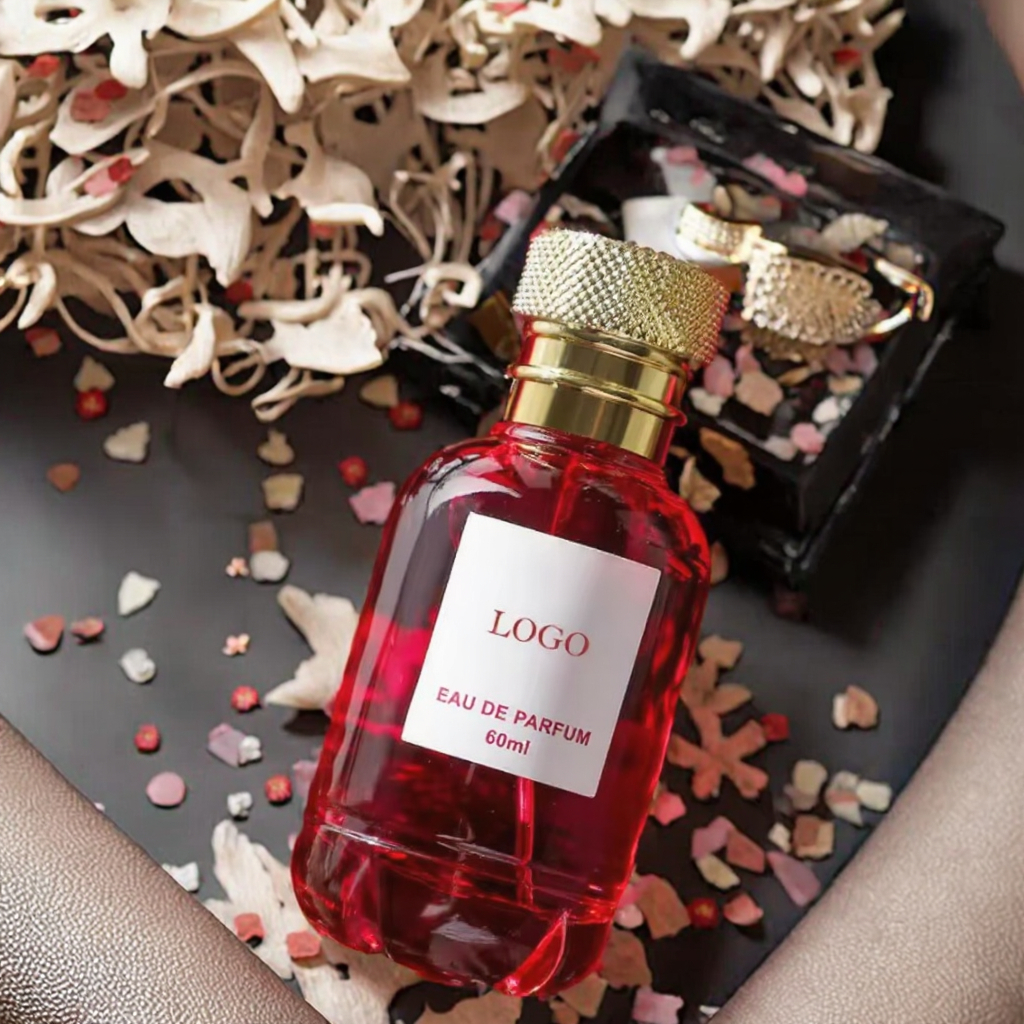
1. Introduction to Raw Materials in Perfume
In perfume production, raw materials are broadly categorized into two types:
Natural ingredients: Derived from plants or animal sources
Synthetic ingredients: Man‑made aroma chemicals created in a laboratory
Both types are essential in OEM perfume formulations. Brands often combine natural richness with synthetic versatility to balance cost, performance, regulatory compliance, and scent complexity.
A reliable way to explore potential manufacturing partners and their raw material expertise is through industry platforms like https://www.perfume-manufacturer.com/, which list manufacturers and detail their capabilities.
2. How Raw Materials Are Used in Fragrance Formulas
Perfume composition is typically described in terms of notes — top, heart, and base — based on how quickly each material evaporates and how it contributes to the scent evolution.
Table 1: Perfume Note Categories and Material Roles
| Note Category | Evaporation Rate | Sensory Role | Examples |
|---|---|---|---|
| Top Notes | Fast | First impression | Citrus oils, aldehydes |
| Heart Notes | Moderate | Core identity | Florals, spices |
| Base Notes | Slow | Longevity, depth | Woods, resins, musks |
Top notes are light and refreshing, heart notes form the perfume’s character, and base notes provide depth and endurance. Raw materials are chosen based on how well they fit these roles.
3. Natural Raw Materials
Natural ingredients have been used in perfumery for centuries. They are extracted from plants, sometimes from animal sources, and often have rich, nuanced scent profiles that are difficult to replicate synthetically.
3.1 Essential Oils
Essential oils are concentrated plant extracts obtained through steam distillation, cold pressing, or solvent extraction. They capture the characteristic aroma of the source material.
Examples:
Bergamot oil: Fresh, citrusy, uplifting
Lavender oil: Herbal, calming, aromatic
Rose Otto: Luxurious floral note with depth
Natural oils often add depth and authenticity to a perfume’s character. However, they can vary from batch to batch due to climate, soil, and harvest conditions.
3.2 Absolutes
Absolutes are extracted using solvents and are richer and more concentrated than essential oils. They are commonly used for materials that don’t yield well via distillation.
Table 2: Natural Ingredient Types and Extraction Methods
| Ingredient Type | Extraction Method | Typical Use |
|---|---|---|
| Essential Oils | Steam distillation | Top & heart notes |
| Absolutes | Solvent extraction | Heart & rich floral notes |
| Resins | Tapping/exudation | Base fixative elements |
| Citrus Expressions | Cold pressing | Bright top notes |
Common Absolutes:
Jasmine absolute: Intense floral heart note
Tuberose absolute: Deep, sultry floral
Vanilla absolute: Warm, sweet base note
Absolutes can be expensive but offer complex aromatic profiles that are highly valued in niche and luxury perfumes.
3.3 Resins and Balsams
Resins and balsams are sticky substances from trees or shrubs. They are prized for their rich, deep base notes and fixative properties.
Examples include:
Frankincense: Resin with warm, balsamic undertones
Myrrh: Deep, smoky, earthy resin
Benzoin: Sweet, vanilla‑like resin
These materials help anchor a perfume and extend its longevity on the skin.
4. Synthetic Raw Materials
Synthetic ingredients are man‑made compounds engineered to mimic natural scents or create entirely new olfactory effects. They offer consistency, scalability, and often lower cost compared to natural materials.
4.1 Aroma Chemicals
Aroma chemicals are the foundation of most modern perfumes. They can evoke familiar scents or novel impressions not found in nature.
Examples of Common Aroma Chemicals:
Iso E Super: Woody, amber nuance
Calone: Aquatic, sea breeze effect
Hedione: Jasmine‑like floral boost
Linalool: Soft floral component (also found in nature)
Synthesized aroma chemicals allow perfumers to achieve precision and reproducibility across batches, which is essential in OEM production.
4.2 Synthetic Musks
Synthetic musks are key to modern perfumery, especially for base notes and longer longevity.
Types include:
Macrocyclic musks: More biodegradable, subtle
Nitro musks (less common): Historic but restricted in some regions
Polycyclic musks: Long‑lasting, widely used
Musks enhance the depth and warmth of a scent and often act as fixatives, helping other notes persist.
5. Functional Raw Materials
Some materials don’t contribute a prominent scent but play critical roles in performance, stability, or safety.
5.1 Fixatives
Fixatives slow the evaporation rate of volatile compounds, making the fragrance last longer.
Natural fixatives:
Ambergris (rare and costly)
Labdanum
Patchouli leaf
Synthetic fixatives are more common in OEM production due to cost and sustainability.
5.2 Solvents and Carriers
The most common carrier in perfumes is ethyl alcohol, often blended with water. Alcohol helps disperse fragrance oils and aids evaporation on the skin.
Fixatives and carriers don’t define the perfume’s character on their own, but they support how the scent unfolds.
6. Blending Natural and Synthetic Materials
Most contemporary perfumes — especially those produced via OEM partners — combine natural and synthetic raw materials. This hybrid approach offers:
Richness and complexity (from natural sources)
Consistency and performance (via synthetics)
Cost‑effectiveness and scalability
For example, a floral heart note might be anchored with natural rose absolute, supported by synthetic floral enhancers to provide stability and projection.
Table 3: Natural vs Synthetic Ingredients — Key Traits
| Feature | Natural | Synthetic |
|---|---|---|
| Complexity | Highly nuanced | Controlled and precise |
| Consistency | Batch‑dependent | Highly consistent |
| Cost | Often higher | Generally lower |
| Sustainability | Variable | Potentially more sustainable |
| Novelty | Limited by nature | Can create unique scents |
OEM perfume brands often work with manufacturers to find a balance that meets brand positioning, budget, and regulatory requirements.
7. Sourcing and Sustainability Considerations
Today’s fragrance brands increasingly consider sustainability and ethical sourcing when choosing raw materials.
7.1 Environmental Impact
Natural materials depend on agriculture or wild harvesting. Overharvesting can threaten species like sandalwood or sensitive ecosystems that produce rare resins.
7.2 Ethical Sourcing
Traceability ensures that workers and ecosystems involved in raw material production are treated fairly. Many brands require suppliers to provide documentation of ethical practices.
7.3 Synthetic Alternatives for Sustainability
In some cases, synthetic alternatives are more sustainable because they:
Reduce pressure on endangered plants
Avoid land use and monoculture farming
Lower carbon footprint through efficient production
Balancing natural allure and environmental responsibility is increasingly part of OEM fragrance development strategy.
8. Regulatory and Safety Requirements
Perfume raw materials are subject to regulatory considerations, especially for ingredients that can cause sensitization or irritation. Compliance with standards like IFRA (International Fragrance Association) guidelines ensures safe use levels in finished products.
A good OEM partner manages ingredient compliance across regions. Brands should request:
Safety data sheets (SDS)
Ingredient lists with INCI (International Nomenclature of Cosmetic Ingredients) names
Compliance certificates
Regulatory standards influence which raw materials can appear in your formula and at what concentration.
9. Cost Factors Influencing Raw Material Selection
Raw material costs vary widely:
Exotic natural absolutes like jasmine or oud can be extremely expensive
Common citrus oils are affordable
Synthesized aroma chemicals vary based on complexity and purity
Table 4: Raw Material Cost Categories
| Material Category | Typical Cost Range | Influencing Factors |
|---|---|---|
| Common Citrus Oils | Low | Abundant supply |
| Floral Absolutes | High | Labor‑intensive extraction |
| Rare Resins | Very High | Scarce and season‑dependent |
| Synthetic Aromachemicals | Low–Medium | Production scale |
| Specialty Synthetics | Medium–High | Complexity of synthesis |
Brands often balance material cost with performance goals and retail positioning.
10. Storage, Stability, and Handling
Perfume raw materials require proper storage to maintain quality:
Cool, dark environments preserve volatile compounds
Air‑tight containers prevent oxidation
Batch tracking ensures traceability
Raw materials can degrade over time, which affects a perfume’s scent profile if not monitored.
11. Looking Ahead: Innovations in Raw Materials
The fragrance industry continues to innovate:
Biotechnologically produced materials (fermentation‑derived molecules) offer sustainability and consistency
Green chemistry emphasizes safer production methods
Novel synthetics expand creative possibilities beyond what nature provides
Brands working with forward‑thinking OEM manufacturers gain access to the latest materials that blend performance, sustainability, and uniqueness.
12. Raw Material Planning for OEM Brands
For brand owners planning fragrance development with an OEM partner:
Define the scent vision early — this guides ingredient selection
Discuss natural vs synthetic balance — balance cost, sustainability, and sensory goals
Understand regulatory limits — some materials are restricted in certain markets
Evaluate supplier traceability — especially for natural ingredients
Review sustainability claims and documentation — important for brand credibility
Engaging experts early helps manage costs, timelines, and product quality.
13. Case Examples
Case A: Fresh Citrus Fragrance (Everyday Wear)
Top notes: bergamot, grapefruit
Heart notes: neroli, green tea extract
Base notes: light musk, cedarwood
Blend: 60% synthetic enhancers for longevity, 40% natural extracts
Case B: Floral Luxury Scent
Heart centered on rose absolute and jasmine
Anchored with patchouli and amber resin
Higher natural content with synthetic modifiers for balance
These examples illustrate how material choice impacts scent character, longevity, and cost.
14. Summary
Raw materials form the essence of perfume. In OEM perfume production, knowing how ingredients function — and how to combine them effectively — helps brands create signature fragrances that are:
Well‑balanced across top, heart, and base notes
Consistent from batch to batch
Compliant with safety and regulatory standards
Aligned with sustainability goals
By blending natural richness with synthetic precision, and by partnering with experienced manufacturers, brands can design perfumes that resonate with consumers and stand out in a crowded market.
If you’d like help building a raw material strategy or understanding ingredient sourcing options for your next fragrance, feel free to ask — I’m here to support your brand’s success.
Related Article

CATEGORIES
CONTACT US
Whatsapp: +8618998453346
Phone: +8618998453346
Tel: +8618998453346
Email: [email protected]
Addr: Baiyun District, Guangzhou, Guangdong Province, China
Hot Goods
 <
<
 <
<
 <
<
 <
<
 <
<
 <
<
<
<
 <
<
 <
<
 <
<