Knowledge
How Perfume Notes Are Designed in OEM Fragrance Development
Writer:admin Time:2025-05-30 01:03 Browse:views
Perfume is more than a pleasant smell—it tells a story, evokes memory, and expresses identity. At the heart of every compelling fragrance are perfume notes, carefully selected and artfully arranged to create a layered sensory experience. In the context of OEM (Original Equipment Manufacturer) fragrance development, designing these notes is both a scientific process and an artistic craft. Brand owners who understand how perfume notes are put together collaborate more effectively with manufacturers and make smarter decisions throughout product development.
This comprehensive guide explains how perfume notes are designed in OEM fragrance development, step by step. We’ll explore how notes are defined, how raw materials are chosen, how perfumers build accords, how sampling and refinement work, and how final formulations are tested and prepared for production. To make complex concepts clear and practical, five tables are included throughout the article.
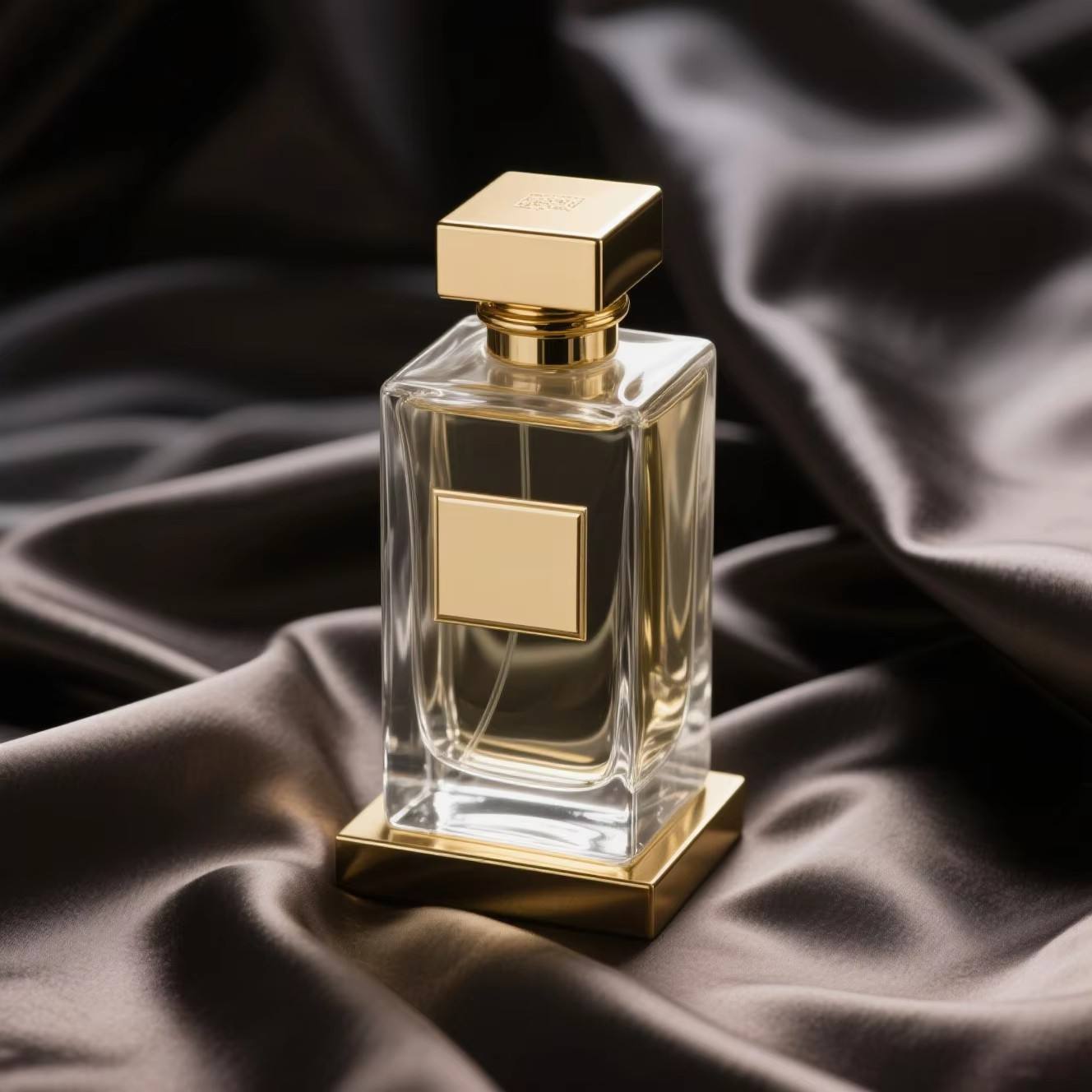
1. What Are Perfume Notes and Why They Matter
When you smell a perfume, what you experience isn’t static. A well‑designed scent unfolds over time. This evolving impression happens because perfumes are structured in layers—notes—that evaporate at different rates.
Perfume notes are generally grouped into three tiers:
Table 1: The Three Tiers of Perfume Notes
| Tier | Description | Typical Characteristics |
|---|---|---|
| Top Notes | First impression | Light, fresh, evaporate quickly |
| Heart (Middle) Notes | Core character | Rounded, stable, define the scent’s personality |
| Base Notes | Foundation | Deep, long‑lasting, fixative qualities |
Top notes are what a person notices immediately after spraying a fragrance, heart notes emerge after the top notes dissipate, and base notes are the enduring richness felt hours later.
In OEM fragrance development, designing perfume notes means choosing materials and proportions that work together harmoniously across these three layers to create a cohesive and memorable experience.
2. The Starting Point: Fragrance Brief and Market Insight
The perfume note design process begins with a fragrance brief—a document that defines the goals for the scent and the market it’s intended to reach. The fragrance brief provides direction and a shared language between the brand and the OEM partner.
A strong brief includes:
Brand positioning (luxury, contemporary, niche, mass market)
Target audience (demographics, psychographics)
Emotional or conceptual inspiration (e.g., “sunlit garden,” “urban elegance”)
Competitive references (perfumes with a similar vibe)
Constraints (ingredient preferences, budget, regulatory considerations)
This brief underpins all decisions about notes, raw materials, accords, and testing. To support early planning, many brands reference industry directories and manufacturer capabilities—platforms like https://www.perfume-manufacturer.com/ are often used to explore different OEM partners and understand their design strengths.
3. Raw Materials: Natural, Synthetic, and How They Influence Notes
Perfume notes begin with raw materials. These can be natural extracts (essential oils, absolutes, resins) or synthetic aroma chemicals crafted in the lab. Each material contributes unique olfactory characteristics and performance properties.
Natural materials tend to have rich, multifaceted aroma profiles because they contain hundreds of volatile components. Synthetics can mimic natural nuances or create entirely new scent impressions not found in nature.
Table 2: Raw Material Types and Their Typical Uses
| Material Type | Typical Use | Performance Traits |
|---|---|---|
| Citrus Oils | Top notes | Bright, fresh, fast evaporation |
| Floral Absolutes | Heart notes | Complex, expressive |
| Green Notes | Top/heart | Fresh, leafy, crisp |
| Spices | Heart notes | Warm, characterful |
| Woods | Base notes | Deep, long‑lasting |
| Musks & Ambers | Base notes | Fixatives, enhance longevity |
| Synthetics (various) | All tiers | Consistency, unique facets |
In OEM fragrance development, perfumers often blend natural materials with synthetics to balance richness, longevity, stability, and cost.
4. Building Accords: The Foundation of a Memorable Scent
An accord is a blend of two or more raw materials that together evoke a distinct olfactory impression. Think of accords as the building blocks of a perfume—similar to chords in music. For example, a “fresh accord” might combine citrus, green leaves, and marine synthetics.
Creating a balanced accord requires expertise: ingredients must complement rather than compete with each other, and the accord must integrate into the broader structure of the fragrance.
Table 3: Common Accord Types and Their Roles
| Accord Type | Typical Character | Common Notes Used |
|---|---|---|
| Citrus Fresh | Energetic, uplifting | Bergamot, lemon, grapefruit |
| Floral Bouquet | Soft, romantic | Rose, jasmine, peony |
| Spicy Oriental | Warm, rich | Cinnamon, clove, vanilla |
| Woody Amber | Deep, elegant | Sandalwood, patchouli, amber |
| Marine/Aquatic | Clean, breezy | Calone, ozonic synthetics |
Perfumers often start by creating individual accords that align with the brief. These accords are then combined in varying proportions to engineer the full fragrance.
5. Designing the Full Fragrance Structure
Once accords are defined, perfumers design the full fragrance by layering accords and individual notes across the top, heart, and base levels. The goal is to craft a scent that evolves naturally and reflects the brand’s intention.
Designing a perfume note structure in OEM fragrance development involves:
Selecting accords and individual notes for each tier
Balancing volatility so that top notes are noticeable first, heart notes sustain the character, and base notes anchor longevity
Testing interactions to ensure no note overwhelms others
The art lies in proportion and harmony. A single powerful heart note might overpower others, while an overly strong base might make the fragrance heavy.
6. Sampling and Iteration
After the initial formula is drafted, it enters the sampling phase. This is a collaborative and iterative step in OEM fragrance development:
The manufacturer creates sample sprays for review.
Brand representatives evaluate scent evolution on blotter strips and skin.
Feedback is provided for refinement.
Multiple rounds of reformulation may follow.
This iterative process ensures that the final perfume aligns with both the sensory goals and practical constraints of production.
Table 4: Sampling and Evaluation Checklist
| Evaluation Aspect | What It Assesses |
|---|---|
| Top Note Impact | First impression and freshness |
| Heart Note Harmony | Balance and character |
| Base Note Depth | Longevity and fixative effect |
| Dry‑Down | Lasting scent after several hours |
| Consistency | Similarity between batches |
Sampling is not a single event—it is a dialogue between perfumer and brand. Each round of samples brings the fragrance closer to the ideal described in the brief.
7. Technical Constraints and Regulatory Requirements
While creative design drives fragrance appeal, technical and regulatory factors shape what can be produced. In OEM fragrance development, perfumers and regulatory teams work side by side to ensure that the final formula is safe, compliant, and manufacturable.
Some factors that influence note design:
IFRA (International Fragrance Association) restrictions on certain materials or concentrations
Regional regulatory limits (e.g., EU Cosmetics Regulation, U.S. FDA guidelines)
Allergen labeling requirements
Ingredient availability and sustainability concerns
These constraints can influence whether an ingredient stays in the formula or must be substituted, and how heating, aging, or packaging will affect stability.
Design decisions often balance creativity with compliance. Experienced OEM partners anticipate these requirements early in the process, reducing late‑stage adjustments.
8. Stability and Longevity Testing
Once a perfume formula is finalized in concept and sampling, it enters stability testing. Notes must not only smell good, they must also remain consistent over time and under varying conditions (heat, light, humidity).
Testing includes:
Aging tests (accelerated and real‑time)
Temperature cycling
Color stability
Evaporation behavior
The results of these tests can lead to reformulation when certain materials break down too quickly or react unpredictably.
9. Packaging Considerations and Note Preservation
Packaging plays a role in how perfume notes are perceived and preserved. The bottle material, closure quality, and atomizer design affect how a perfume disperses and how long its notes remain true on the skin.
Some considerations in OEM fragrance development:
Dark bottles protect light‑sensitive ingredients
Airtight closures prevent oxidation
Fine mists can balance dispersion of top and heart notes
Packaging decisions are made in tandem with fragrance design to maintain integrity from production to consumer use.
10. Final Formulation and Production Scale‑Up
Before moving to full production, the final accumulated learnings from sampling, testing, stability checks, and regulatory review culminate in the final formula. This formula enters production mode where:
Ingredient sourcing is confirmed
Weights and measures are locked
Quality control parameters are established
Production batches are carefully monitored to ensure that each batch reflects the intended perfume note design with no variation.
11. Ongoing Evaluation Post‑Launch
A fragrance doesn’t end at the point of sale. Post‑launch evaluation helps brands and OEM partners understand real‑world performance, customer feedback, and opportunities for future refinements or line extensions.
Metrics often monitored include:
Consumer reviews
Retail return rates
Seasonal sales performance
Long‑term stability reports
This feedback loop supports future iterations or new perfume concepts.
Conclusion
Designing perfume notes in OEM fragrance development is a journey of creativity, technical skill, and collaborative refinement. It begins with a clear vision, progresses through careful selection of raw materials and accords, and involves iterative testing and regulatory alignment. Each note—top, heart, and base—plays a role in shaping the final scent experience.
Understanding this process empowers brand owners to work more effectively with OEM partners, communicate preferences clearly, and make informed decisions that align fragrance design with market expectations.
Whether you are seeking guidance for your first fragrance launch or refining a signature scent, appreciating how perfume notes are designed helps you create products that resonate deeply with your audience.
If you’d like help developing your own fragrance brief or understanding how specific notes translate into emotions, feel free to ask!
Related Article



CATEGORIES
CONTACT US
Whatsapp: +8618998453346
Phone: +8618998453346
Tel: +8618998453346
Email: [email protected]
Addr: Baiyun District, Guangzhou, Guangdong Province, China
Hot Goods
 <
<
 <
<
 <
<
 <
<
 <
<
 <
<
 <
<
 <
<
<
<
 <
<