Knowledge
What Is OEM Perfume Manufacturing? A Complete Guide for Brand Owners
Writer:admin Time:2025-05-30 00:58 Browse:views
In the competitive fragrance industry, OEM perfume manufacturing has become the preferred route for new and established brands alike. Whether you are a small startup aiming to launch your first perfume or a global brand expanding your fragrance line, understanding the OEM (Original Equipment Manufacturer) process is critical. This guide will walk you through every aspect of OEM perfume manufacturing, from production to packaging, and explain why it is a game-changer for brand owners.
What Does OEM Perfume Manufacturing Mean?
OEM perfume manufacturing refers to the process where a company designs, develops, and produces perfumes on behalf of another brand. Unlike traditional manufacturing, where brands may have in-house production, OEM allows companies to focus on branding, marketing, and sales, while the factory handles the technical, regulatory, and production aspects.
Key Advantages:
| Advantage | Explanation |
|---|---|
| Cost Efficiency | Brands save on equipment, lab facilities, and skilled personnel. |
| Speed to Market | Factories already have established formulas and supply chains. |
| Customization | Tailor fragrance notes, bottle design, and packaging according to your brand vision. |
| Quality Assurance | Reputable OEMs follow strict QC procedures and comply with international standards. |
| Scalability | Easily scale production from hundreds to millions of units without investing in infrastructure. |
How OEM Perfume Manufacturing Works
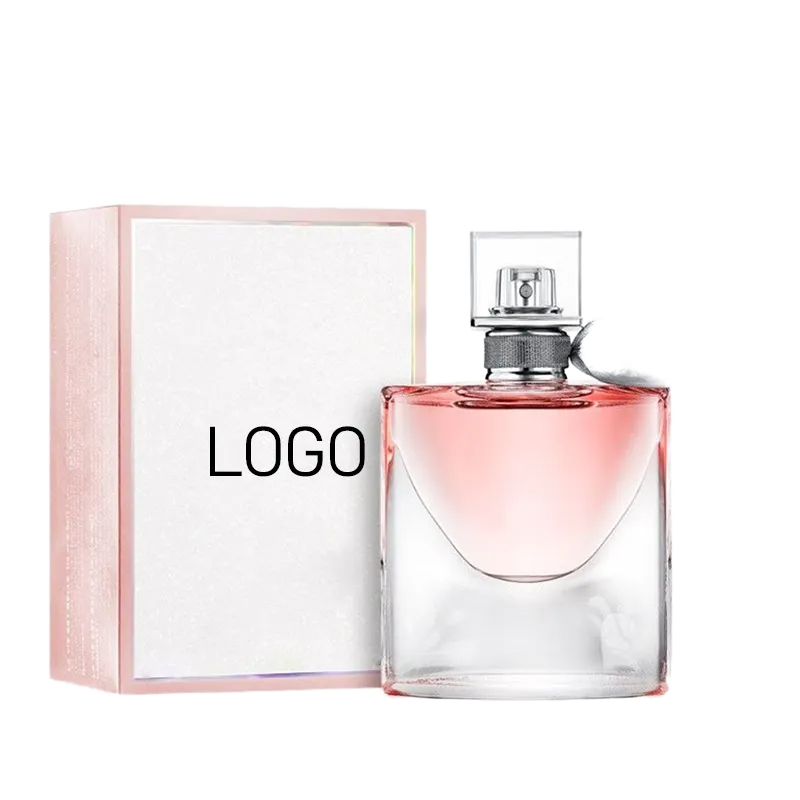
OEM perfume manufacturing is a multi-step process that requires careful coordination between the brand and the manufacturer. The process can be broken down into five main stages:
1. Concept and Fragrance Development
The journey begins with defining the brand’s vision and target audience. This includes:
Selecting fragrance families (floral, oriental, woody, fresh, etc.)
Deciding on product type (eau de parfum, eau de toilette, body mist)
Conceptualizing scent profiles
Some factories provide custom fragrance formulation services, while others allow brands to choose from pre-existing formulas.
Table 2: Fragrance Types and Typical Concentration Levels
| Perfume Type | Concentration | Longevity | Typical Use |
|---|---|---|---|
| Eau de Parfum | 15–20% | 6–8 hours | Evening wear, premium scents |
| Eau de Toilette | 8–15% | 3–5 hours | Daily wear |
| Eau de Cologne | 3–8% | 2–4 hours | Refreshing, casual use |
| Body Mist | 1–5% | 1–2 hours | Affordable, light fragrance |
2. Sample Production and Testing
After defining the fragrance, the OEM factory creates prototype samples. Brands review these samples for:
Scent accuracy
Longevity and stability
Packaging aesthetics
Adjustments can be made until the perfect formula is achieved.
Table 3: Sample Approval Checklist
| Criteria | Description |
|---|---|
| Scent Fidelity | Does it match the brand’s vision? |
| Evaporation & Longevity | How long does the fragrance last on skin? |
| Color & Clarity | Is the perfume visually appealing? |
| Packaging Mockup | Does the bottle and box match brand identity? |
| Compliance Check | Meets local and international safety standards? |
3. Regulatory Compliance
Perfumes are classified as cosmetic products in many countries and must comply with regulations like:
IFRA (International Fragrance Association) standards
REACH (EU chemical compliance)
FDA (for US distribution)
Reputable OEM manufacturers handle these legal and safety requirements, allowing brands to focus on marketing.
4. Production and Quality Control
Once the fragrance is approved, the factory begins bulk production. Quality control at this stage is critical. Key steps include:
Raw material inspection (essential oils, alcohol, stabilizers)
Batch formulation and blending
Filtration and stabilization
Bottling and labeling
Table 4: Typical QC Parameters in OEM Perfume Production
| Parameter | Standard Check |
|---|---|
| Fragrance Consistency | GC-MS testing to ensure scent consistency across batches |
| Alcohol Content | Measured to maintain concentration levels |
| pH Levels | Ensure skin safety and product stability |
| Microbial Testing | Confirm product is free from contamination |
| Packaging Integrity | Bottles and boxes checked for leaks or defects |
5. Packaging and Logistics
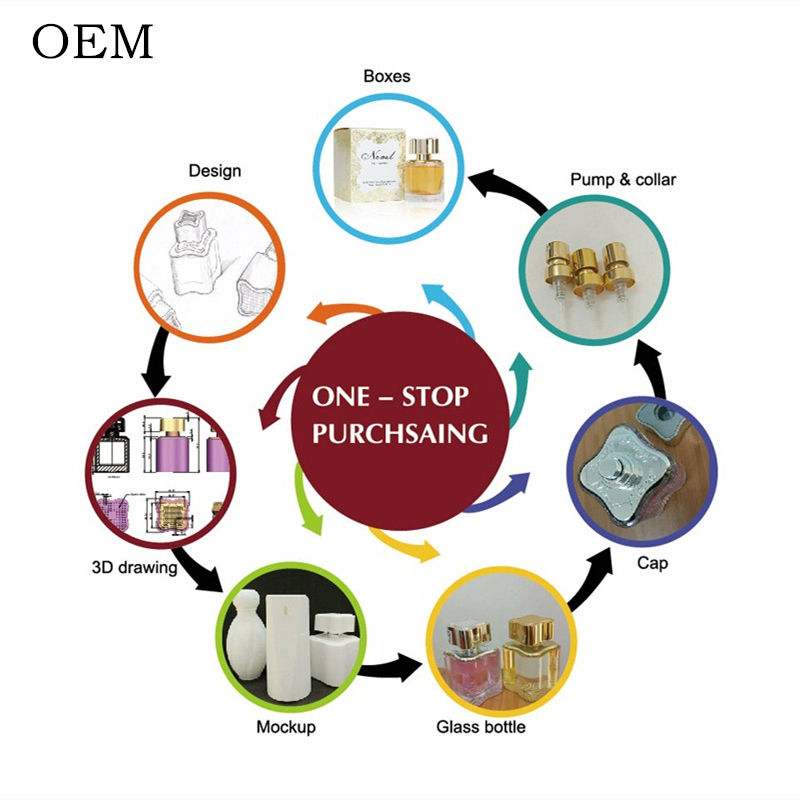
OEM factories often provide full packaging solutions, from custom bottles to printed boxes and shipping-ready cartons. Options include:
Glass or acrylic bottles
Luxury caps and sprays
Custom-printed labels
Eco-friendly packaging solutions
Once packed, products can be shipped directly to your warehouse or distribution center, saving time and logistics costs.
Table 5: Common OEM Perfume Packaging Options
| Material | Pros | Cons |
|---|---|---|
| Glass | Premium feel, durable | Heavier, fragile |
| Acrylic | Lightweight, shatter-resistant | Less luxurious feel |
| Metal Caps | Durable, stylish | Costlier |
| Eco-friendly Packaging | Sustainable, marketable | Higher production cost |
Why Brands Prefer OEM Perfume Manufacturing
1. Focus on Branding and Sales
OEM allows companies to concentrate on marketing and distribution rather than the technicalities of perfume formulation and production.
2. Lower Entry Barriers
For new entrepreneurs, OEM provides a path to enter the perfume market without large upfront investments in lab equipment or personnel.
3. Faster Product Launch
OEM factories have ready-to-use formulas and production lines, enabling brands to launch new fragrances within weeks, rather than months.
4. Access to Expertise
Most OEM factories have teams of perfumers, chemists, and quality control specialists, offering valuable expertise that small brands might otherwise lack.
Table 6: Comparison of OEM vs In-House Perfume Production
| Factor | OEM Manufacturing | In-House Production |
|---|---|---|
| Initial Investment | Low | Very High |
| Time to Market | Fast | Slow |
| Regulatory Compliance | Handled by OEM | Handled by brand |
| Expertise Required | Minimal | High |
| Scalability | Easy | Difficult |
Choosing the Right OEM Perfume Factory
When selecting a factory, consider:
Experience – How many years in perfume manufacturing?
Certification – ISO, GMP, IFRA compliance?
Customization Capability – Can they create unique fragrances and packaging?
MOQ (Minimum Order Quantity) – Does it fit your budget?
Communication & Support – Are they responsive to your brand’s needs?
Common Challenges and How to Overcome Them
| Challenge | Solution |
|---|---|
| Limited customization | Choose a factory with an in-house perfumer team |
| Long shipping times | Select factories closer to your primary market |
| Quality inconsistency | Request sample batches and QC reports |
| Regulatory hurdles | Work with OEMs familiar with international compliance |
| Branding misalignment | Provide detailed brand guidelines for packaging and design |
Conclusion
OEM perfume manufacturing offers unmatched advantages for brand owners, from cost savings to fast market entry and access to professional expertise. By partnering with a reliable OEM factory, brands can focus on building their identity and growing sales, while leaving the complex perfume production processes to experts.
Whether you’re launching your first fragrance or expanding your existing line, understanding the OEM process is essential for efficient, high-quality, and profitable perfume production.
Table 1: Summary of OEM Perfume Manufacturing Benefits
| Benefit | Description |
|---|---|
| Cost Efficiency | Reduced investment in equipment and labor |
| Speed | Faster product launch and market entry |
| Customization | Personalized fragrances and packaging |
| Expertise | Access to professional perfumers and QC teams |
| Scalability | Easily increase production volume as demand grows |
Related Article
CATEGORIES
CONTACT US
Whatsapp: +8618998453346
Phone: +8618998453346
Tel: +8618998453346
Email: [email protected]
Addr: Baiyun District, Guangzhou, Guangdong Province, China
Hot Goods
 <
<
 <
<
 <
<
 <
<
 <
<
 <
<
 <
<
 <
<
 <
<
 <
<