Knowledge
Natural vs Synthetic Fragrance Oils in OEM Perfume Manufacturing
Writer:admin Time:2025-05-30 01:02 Browse:views
Perfume is one of the oldest and most expressive forms of personal adornment, and its appeal transcends culture, geography, and time. What many consumers don’t realize, however, is that behind every scent lies a carefully crafted blend of ingredients — and a fundamental choice that every perfume brand must make: natural or synthetic fragrance oils.
This choice influences not only the scent profile but also performance, cost, regulatory compliance, sustainability, and even how consumers perceive the brand. For brand owners working with OEM perfume manufacturers, understanding the nuances of natural versus synthetic fragrance oils is vital for making informed design decisions and setting realistic production expectations.
In this guide, we’ll explore what natural and synthetic fragrance oils are, compare them across multiple dimensions, and explain how they fit into OEM perfume production. Along the way, you’ll find five detailed tables that organize key information for practical reference.
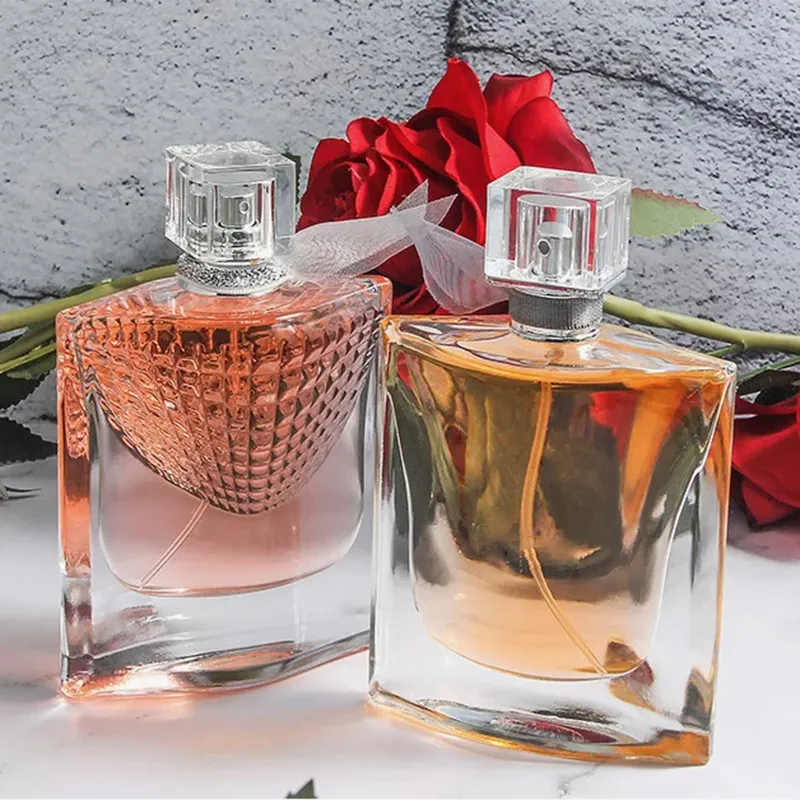
1. Introduction to Fragrance Oils
What Is a Fragrance Oil?
A fragrance oil is a concentrated aromatic compound used in perfumes, cosmetics, and scented products to give a distinctive scent. In OEM perfume manufacturing, these oils are the core component that determines how a fragrance smells and performs.
Fragrance oils fall into two broad categories:
Natural fragrance oils
Synthetic fragrance oils
Both are used by OEM perfume manufacturers to create finished perfume products tailored to a brand’s vision.
2. What Are Natural Fragrance Oils?
Natural fragrance oils are derived from plant or animal sources. Common extraction methods include steam distillation, expression, solvent extraction, and enfleurage. These processes yield essential oils, absolutes, resins, and oleoresins rich in aromatic compounds.
Examples of natural sources:
Flowers (rose, jasmine, lavender)
Woods (sandalwood, cedarwood)
Resins (frankincense, myrrh)
Spices (cinnamon, clove)
Citrus peels (bergamot, lemon)
Natural ingredients have been used for thousands of years and are often associated with artisanal or traditional perfumery.
Table 1: Common Natural Fragrance Oil Sources
| Source Type | Examples | Extraction Method |
|---|---|---|
| Flowers | Rose, jasmine, ylang‑ylang | Steam distillation, enfleurage |
| Woods | Sandalwood, cedarwood | Steam distillation |
| Resins | Frankincense, myrrh | Solvent extraction |
| Citrus | Bergamot, orange | Cold expression |
| Herbs | Rosemary, mint | Steam distillation |
3. What Are Synthetic Fragrance Oils?
Synthetic fragrance oils are created in laboratories using chemical compounds. Many exist to replicate natural smells, while others produce entirely new scents that don’t occur in nature. Advances in synthetic chemistry have enabled perfumers to craft intricate and long‑lasting fragrances that are stable, safe, and consistent.
Synthetic compounds may have names like:
Iso E Super (woody, amber)
Calone (aquatic)
Vanillin (sweet, vanilla)
Linalool (floral, from many plants but synthetically replicated)
Synthetic oils are widely used in modern perfumery and are especially important in OEM perfume manufacturing for their versatility and predictability.
4. How OEM Manufacturers Use Natural and Synthetic Oils
In OEM perfume manufacturing, both natural and synthetic oils play important roles — often in combination. Many iconic fragrances blend both types to achieve complexity, stability, and cost‑effectiveness.
A reputable OEM perfume partner can help you determine the right mix for your product based on your goals — whether that’s a purely natural perfume, a hybrid blend, or a fully synthetic composition optimized for performance.
If you’re evaluating OEM partners and want to review their capabilities with natural versus synthetic sourcing, industry platforms such as https://www.perfume-manufacturer.com/ can help you identify manufacturers with relevant expertise and ingredient sourcing transparency.
5. Natural vs Synthetic: Key Differences
To understand how these two types of fragrance oils compare, it helps to break the comparison into structured sections.
Table 2: Natural vs Synthetic Fragrance Oils — Overview Comparison
| Feature | Natural Fragrance Oils | Synthetic Fragrance Oils |
|---|---|---|
| Origin | Plant/animal sources | Lab‑created chemicals |
| Cost | Often higher | Generally lower |
| Consistency | Variable by harvest | Highly consistent |
| Complexity | Rich and nuanced | Very versatile |
| Sustainability | Depends on source | Can be more sustainable |
| Allergen & Regulatory | More restricted | Easier to modify for compliance |
| Longevity | Can evaporate faster | Often lasts longer |
6. Scent Profile and Complexity
Natural Oils
Natural oils offer richness and subtle complexity. They contain hundreds of aromatic constituents that interact in ways that are difficult to replicate perfectly with synthetics. This richness is part of the reason why classic perfumes often emphasize natural materials.
However, natural oils can vary from batch to batch depending on growing conditions, climate, and season.
Synthetic Oils
Synthetic oils offer precision and control. A perfumer can use a library of synthetic molecules to build extremely stable and consistent scent profiles. Synthetic ingredients are ideal when you need:
High consistency across multiple batches
Ingredients that don’t exist in nature (e.g., marine, metallic, gourmand notes)
Scent facets that are stronger or more durable on skin
Because of these qualities, many modern perfumes — including high‑end fragrances — blend natural and synthetic elements.
7. Performance and Longevity
Table 3: Performance Attributes — Natural vs Synthetic
| Attribute | Natural Oils | Synthetic Oils |
|---|---|---|
| Sillage (trail) | Moderate | Often stronger |
| Longevity on skin | Can be shorter | Typically longer |
| Stability | Sensitive to heat/light | Very stable |
| Evaporation | Faster | Controlled |
In OEM perfume manufacturing, performance is a critical factor. Synthetic molecules often outperform natural materials in terms of longevity and stability, making them desirable for fragrances intended to last throughout the day. Natural oils can be more delicate and may fade faster, which influences how a perfume is formulated and marketed.
8. Cost and Availability
Natural ingredients are subject to market forces such as climate, crop yield, and geopolitical factors that influence supply. Rare materials like oud, rose Otto, and certain resins can be extremely expensive.
Synthetic ingredients, by contrast, can be manufactured at scale under controlled conditions, lowering cost and ensuring reliability. This cost difference is significant in OEM perfume projects, especially when brands have tight budgets or need to hit specific price points.
Table 4: Cost and Availability Comparison
| Aspect | Natural Oils | Synthetic Oils |
|---|---|---|
| Raw Material Cost | Often high | Generally lower |
| Supply Stability | Seasonal/variable | Consistent |
| Scalability | Limited by source | Highly scalable |
| Eco Impact | Depends on harvest | Lower land use |
A brand owner evaluating OEM cost projections needs to factor in ingredient costs early in the product development phase.
9. Safety and Regulatory Considerations
Both natural and synthetic fragrance oils must meet safety and regulatory standards — but the processes differ.
Natural oils may contain allergens or components restricted by organizations like the International Fragrance Association (IFRA). Manufacturers often have to adjust formulas to comply with regional regulations.
Synthetic ingredients can be engineered to avoid restricted substances. This flexibility often simplifies regulatory compliance for global markets.
Table 5: Safety & Regulation Considerations
| Consideration | Natural Oils | Synthetic Oils |
|---|---|---|
| Allergen Presence | More common | Often avoidable |
| IFRA Restrictions | Frequent | Easier to formulate around |
| Documentation | May vary by source | Clear CAS/INCI info |
| Regional Compliance | Complex | Simplified |
OEM perfume manufacturers with strong compliance teams help brands navigate these requirements — an essential value add for international distribution.
10. Sustainability and Ethical Sourcing
Sustainability is increasingly important to both consumers and brands. Natural oils come from plant or animal sources, and their environmental impact depends on farming practices, land use, and biodiversity considerations.
Synthetic oils, produced in controlled facilities, can reduce pressure on natural resources — especially when high‑demand materials like sandalwood or rose are concerned.
Synthetic ingredients can also be designed to be biodegradable and produced with greener chemistry techniques, further enhancing sustainability.
11. Consumer Perception and Marketing
From a branding perspective, “natural” often connotes purity, wellness, and luxury — but this isn’t always reflective of performance or sustainability. Markets vary; some consumers prioritize natural content and are willing to pay a premium, while others focus on longevity, uniqueness, and price.
Some brands use terms like “nature‑inspired” or “naturally derived” to strike a balance between authenticity and market appeal. In OEM perfume manufacturing, clear labeling and honest storytelling help manage consumer expectations.
12. Blends: Best of Both Worlds
It’s common for modern perfumery — especially in OEM production — to blend natural and synthetic fragrance oils. These hybrid blends take advantage of:
Natural richness and character
Synthetic stability and extended performance
Cost efficiency without sacrificing quality
A well‑balanced blend can offer a layered fragrance experience with consistent performance across batches and markets.
13. Choosing Between Natural and Synthetic for Your Brand
Your choice will depend on your brand positioning, budget, and market strategy. Consider these questions:
Is your audience drawn to natural or sustainable messaging?
Are you targeting high‑end retail or broad consumer markets?
What performance characteristics matter most (longevity, projection, uniqueness)?
What are your budget constraints?
Consulting with an experienced OEM perfume manufacturer during concept development helps align your fragrance profile with realistic production outcomes.
14. Case Scenarios in OEM Production
Scenario A: Premium Natural‑Centric Brand
A boutique brand wants an artisanal rose and jasmine scent with minimal synthetics. The formula emphasizes high‑quality natural absolutes, with synthetics only where needed to extend longevity.
Scenario B: Mass‑Market Everyday Fragrance
A lifestyle brand needs consistent performance and cost control. A blend of synthetic aromachemicals and select naturals provides a stable, appealing scent at accessible pricing.
Scenario C: Niche Hybrid Innovation
A niche brand explores a marine floral fragrance using advanced synthetic molecules for unique aquatic effects, balanced with natural citrus and floral oils.
15. Final Thoughts
The choice between natural and synthetic fragrance oils isn’t binary. It’s a strategic decision that shapes your perfume’s performance, cost, sustainability profile, and consumer appeal. In OEM perfume manufacturing, both natural and synthetic fragrance oils have roles to play — and often work best in combination.
By understanding their differences and how they interact in formulation and production, brand owners can better collaborate with OEM partners, set realistic expectations, and craft fragrances that resonate with their audience.
If you’d like help outlining a fragrance brief or comparing supplier capabilities based on natural vs synthetic sourcing, I can assist you further!
Related Article

CATEGORIES
CONTACT US
Whatsapp: +8618998453346
Phone: +8618998453346
Tel: +8618998453346
Email: [email protected]
Addr: Baiyun District, Guangzhou, Guangdong Province, China
Hot Goods
 <
<
 <
<
 <
<
 <
<
 <
<
 <
<
 <
<
 <
<
 <
<
 <
<